
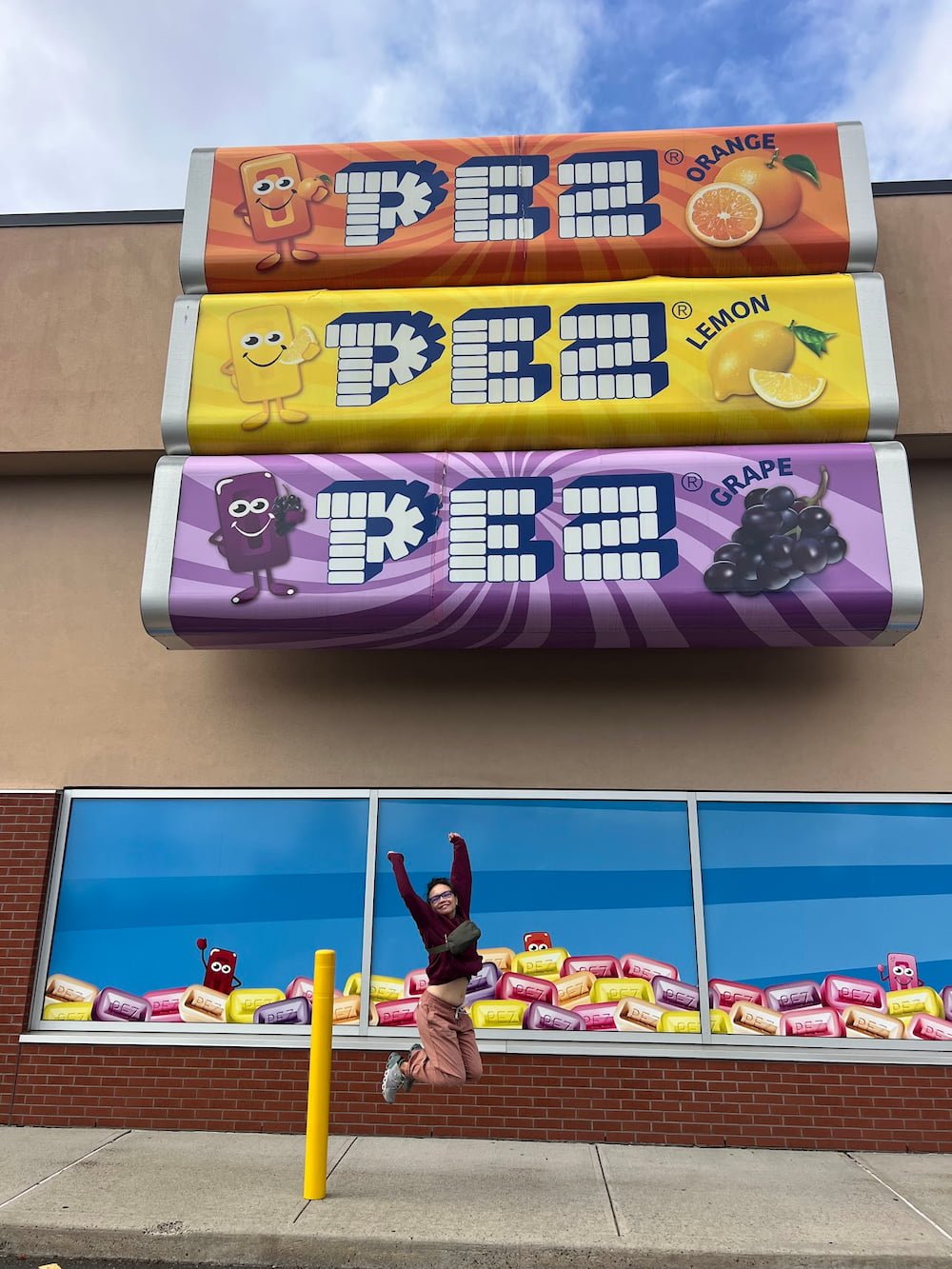
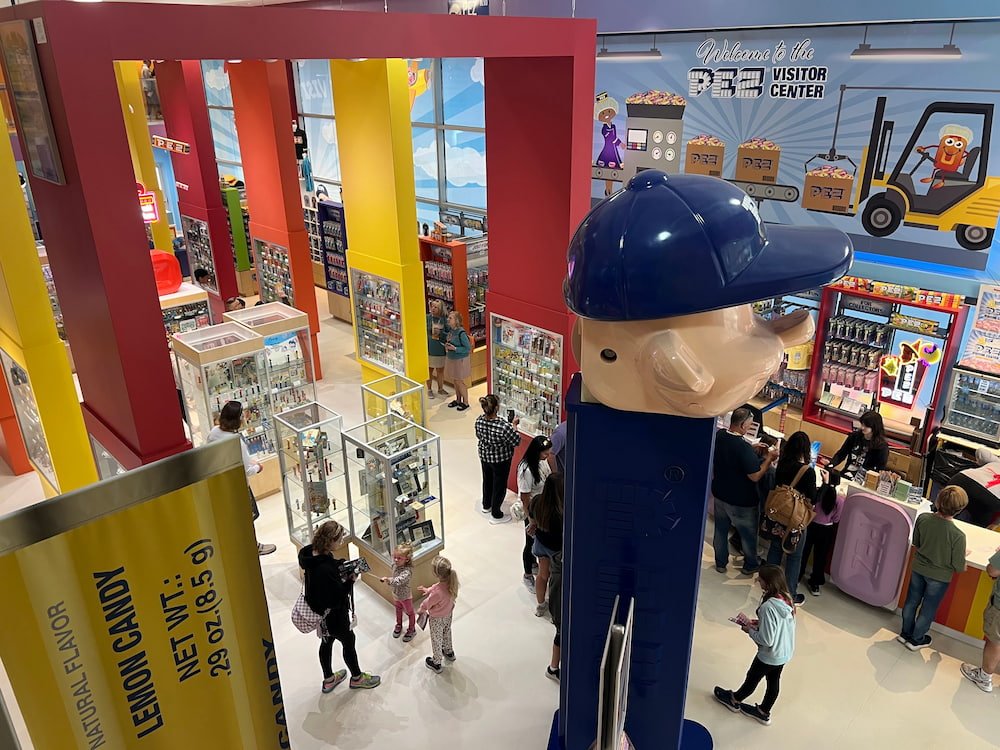
Did you know that PEZ, the iconic little candy that comes out of toy dispensers, is headquartered in Connecticut? We didn't either--but the largest, most comprehensive collection of PEZ memorabilia on display is at the PEZ Visitor Center, in the town of Orange in Connecticut. PEZ was first sold as a compressed peppermint sweet in Austria, and the packaging evolved to a dispenser, which was interestingly marketed as an alternative to tobacco! This too evolved so that the dispensers had heads on them and started to target children, with different cartoon characters, and other figures, which are now collectibles for fans around the world.
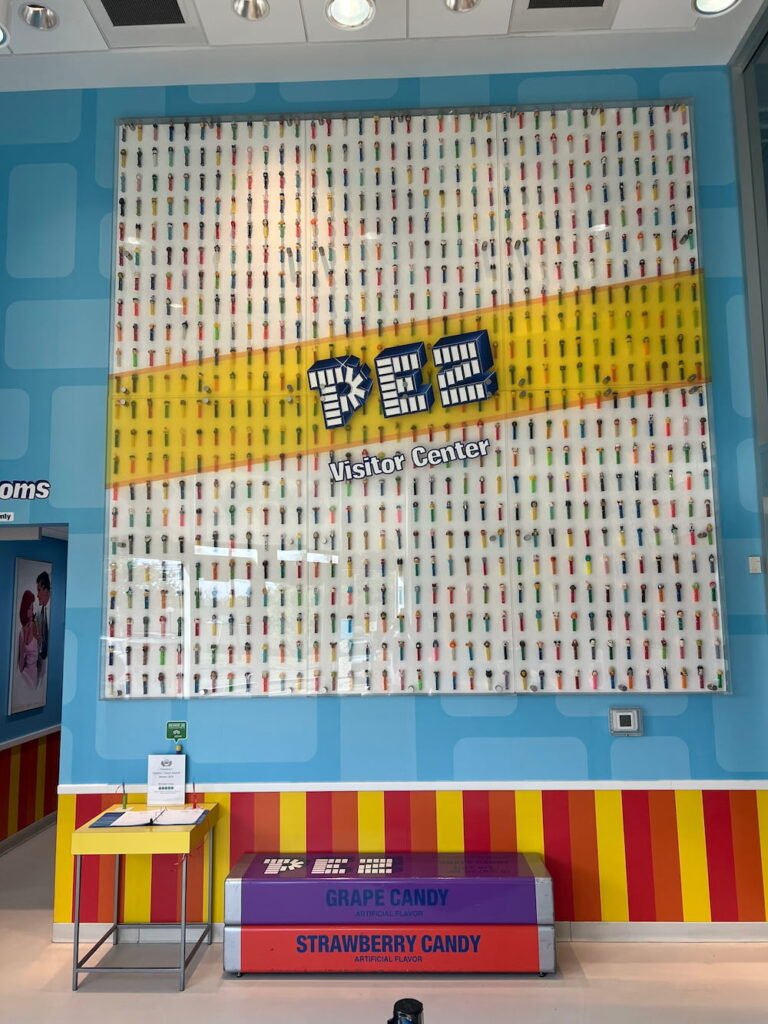
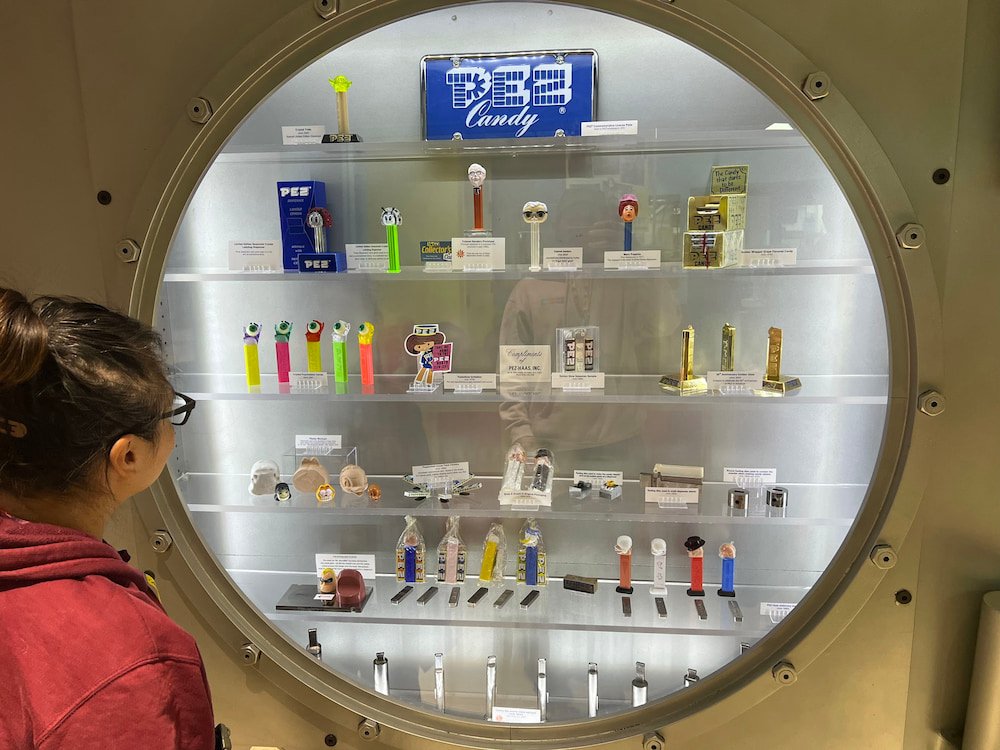
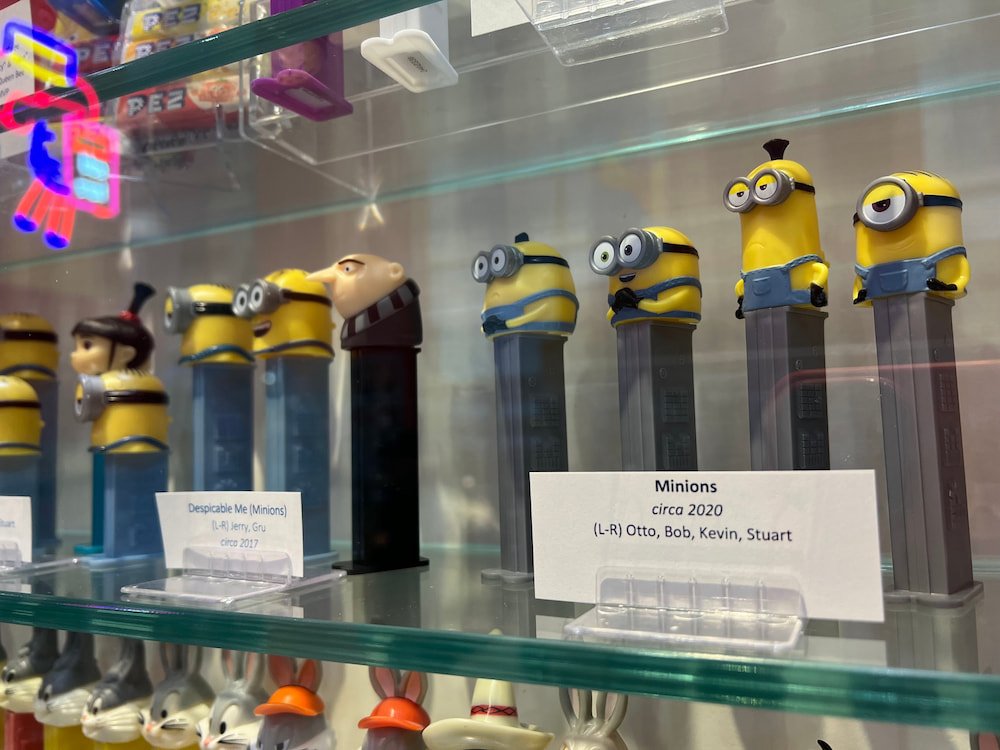
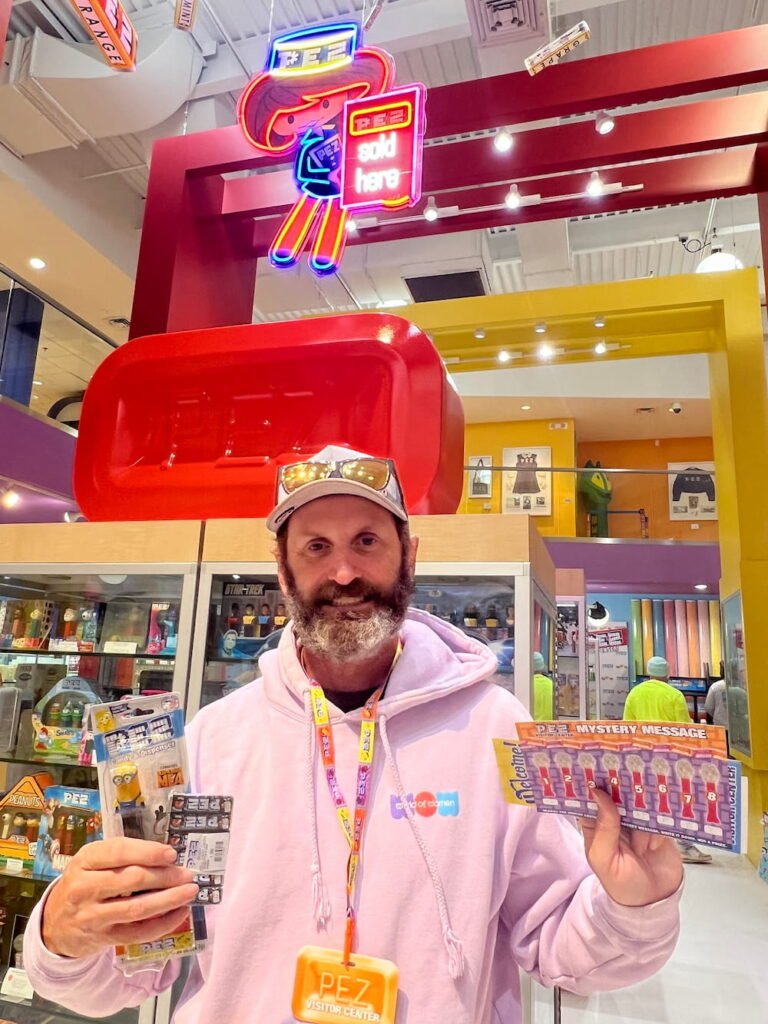
It costs $5 for adults to get into the museum, which includes a lanyard, and $2 store credit towards the purchase of any merchandise. There's also a scavenger hunt--if you complete it, you win a prize. So we did this and walked around the 2-story museum. It's not a huge museum, but it's definitely packed with PEZ! Once we entered we saw the world's largest PEZ dispenser, saw the historical timeline of PEZ, saw the production area (no PEZ were being created though when we were there, but apparently they can produce 12 million PEZ candy tablets a day!), and walked around to see the vast number of dispensers on display--everything from Star Wars characters, Shrek, the Minions, and Looney Tunes characters, and so much more! We used our credit to get a Minions PEZ dispenser and dragonfruit flavored PEZ candy, and both finished our scavenger hunts, so scored 2 additional PEZ dispensers and candies--one of a dinosaur, and one of a red alien creature. We had a lot of fun, and it was worth the stop!
Yale University
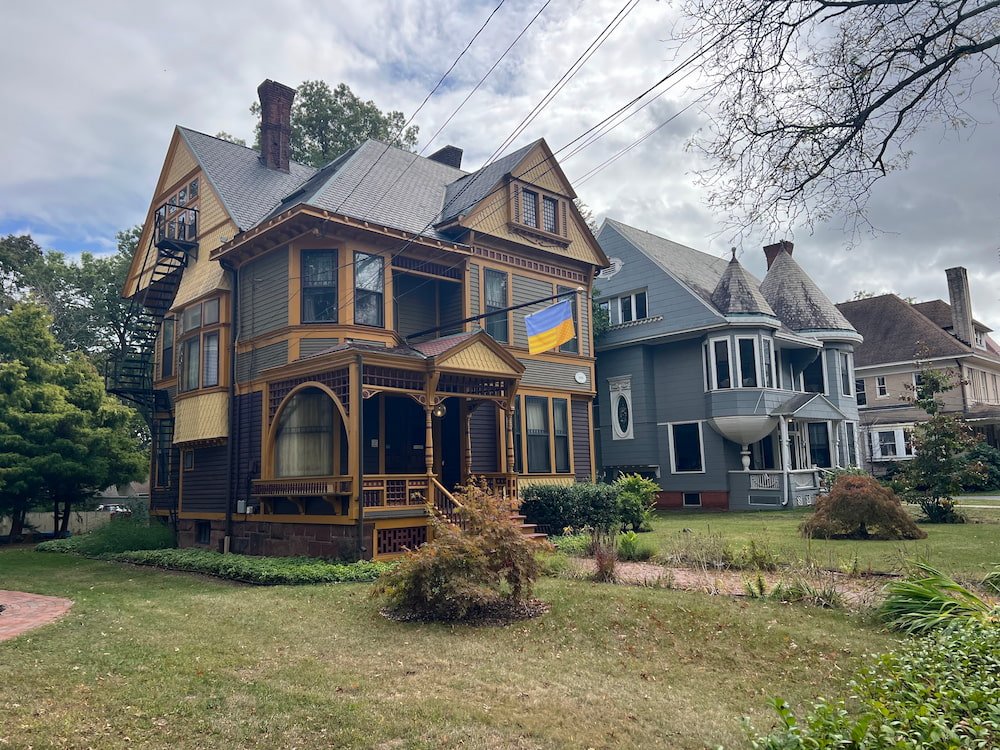
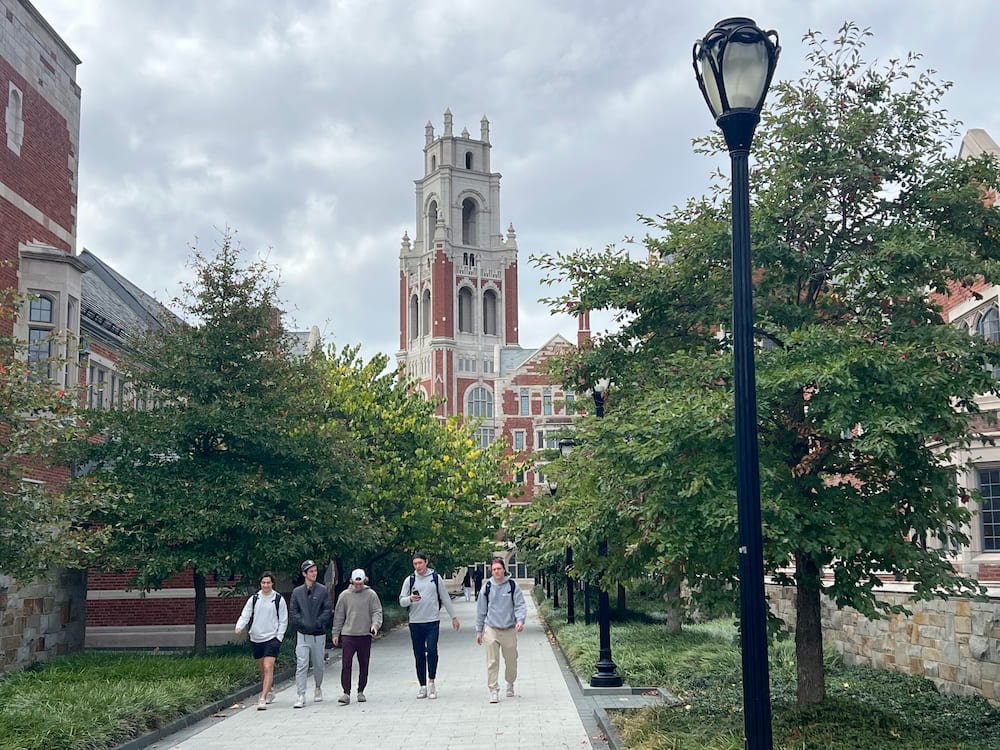
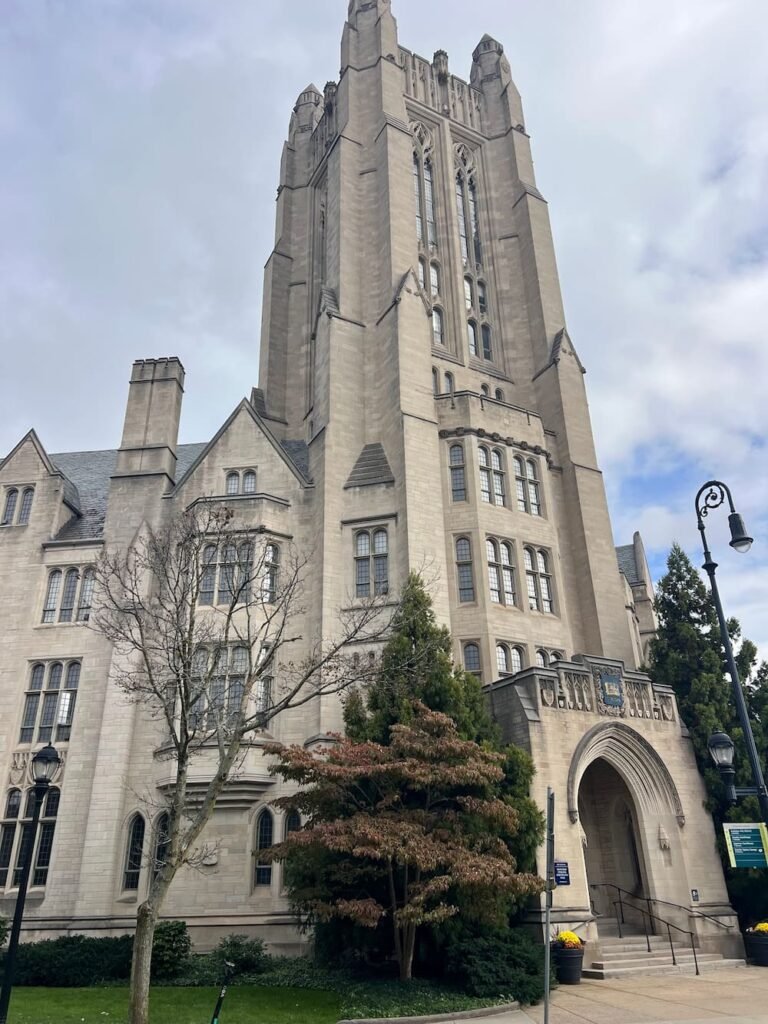
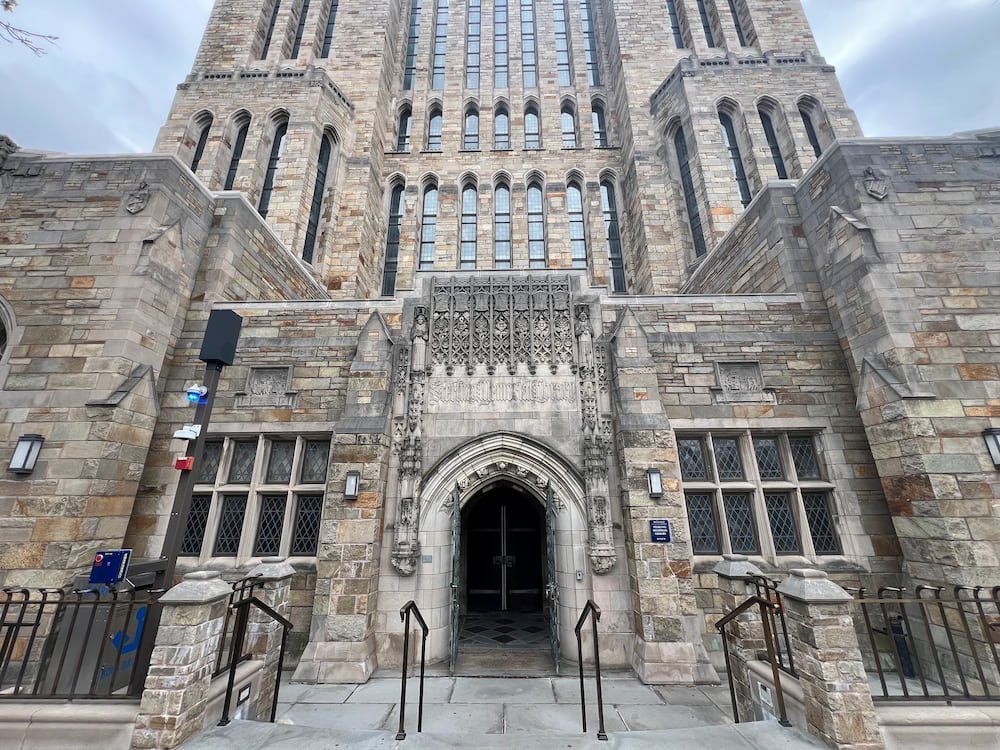
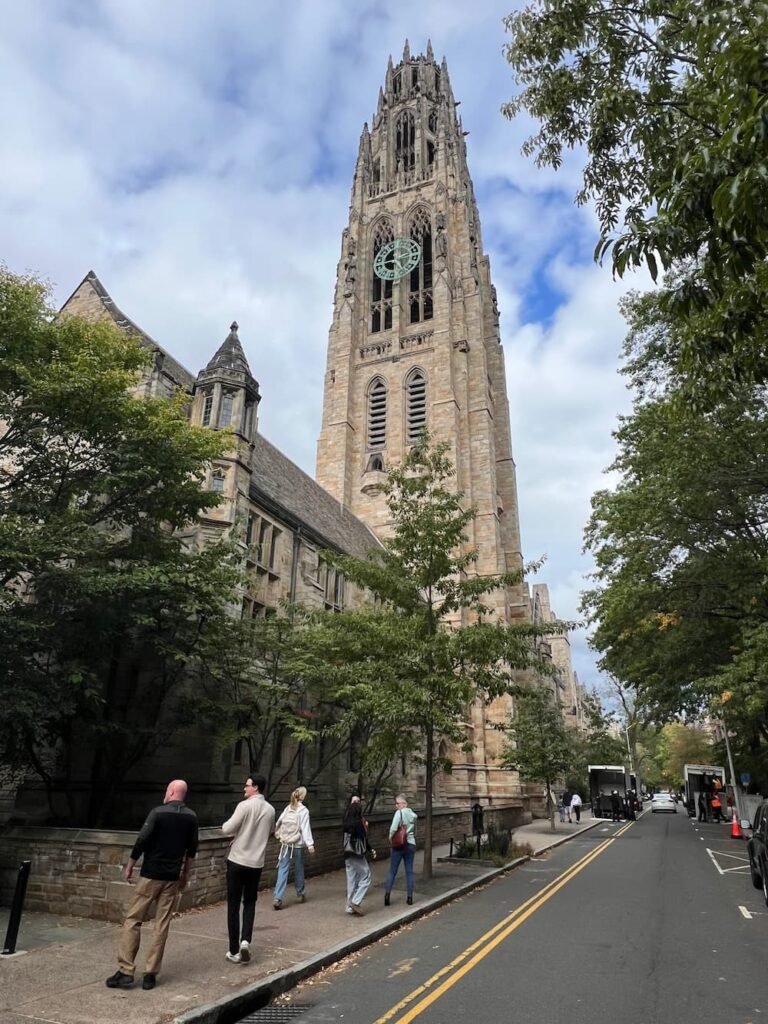
Not too far from the PEZ Visitor Center is Yale University, one of the country's Ivy League universities. Yale is the the third-oldest university in the US, founded in 1701 (Harvard is the oldest, founded in 1636). Despite this, when we toured Yale, it seemed like the buildings were actually older in look and feel than Harvard and other universities that we'd been to, and it's one of our favorites as far as architecture and the smaller, more intimate feel that it has.
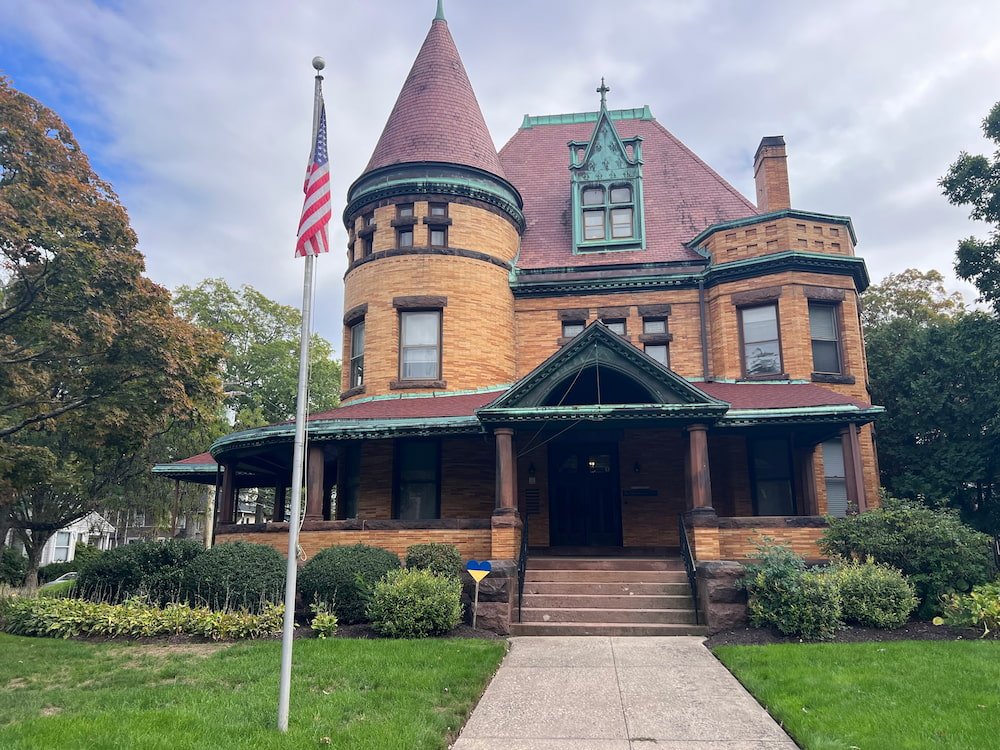
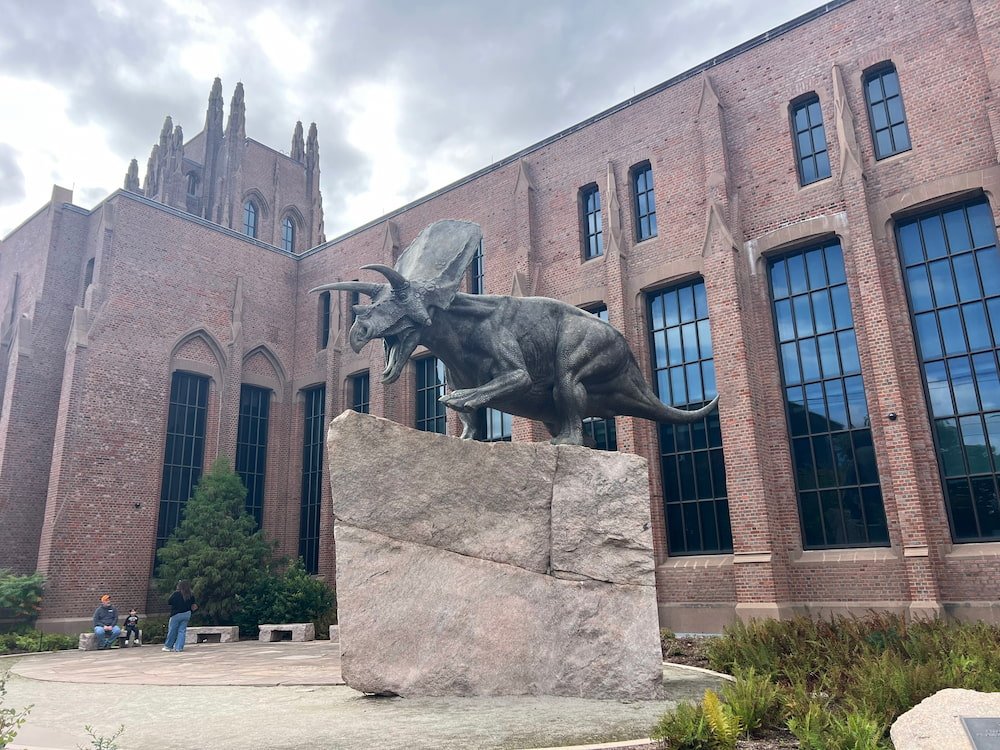
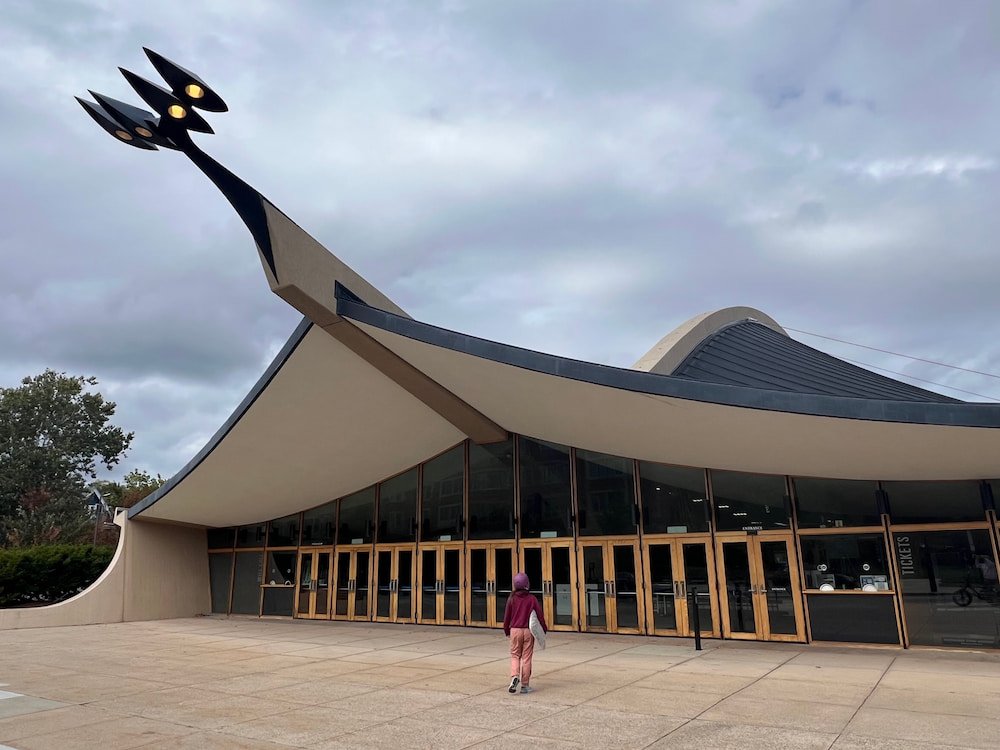
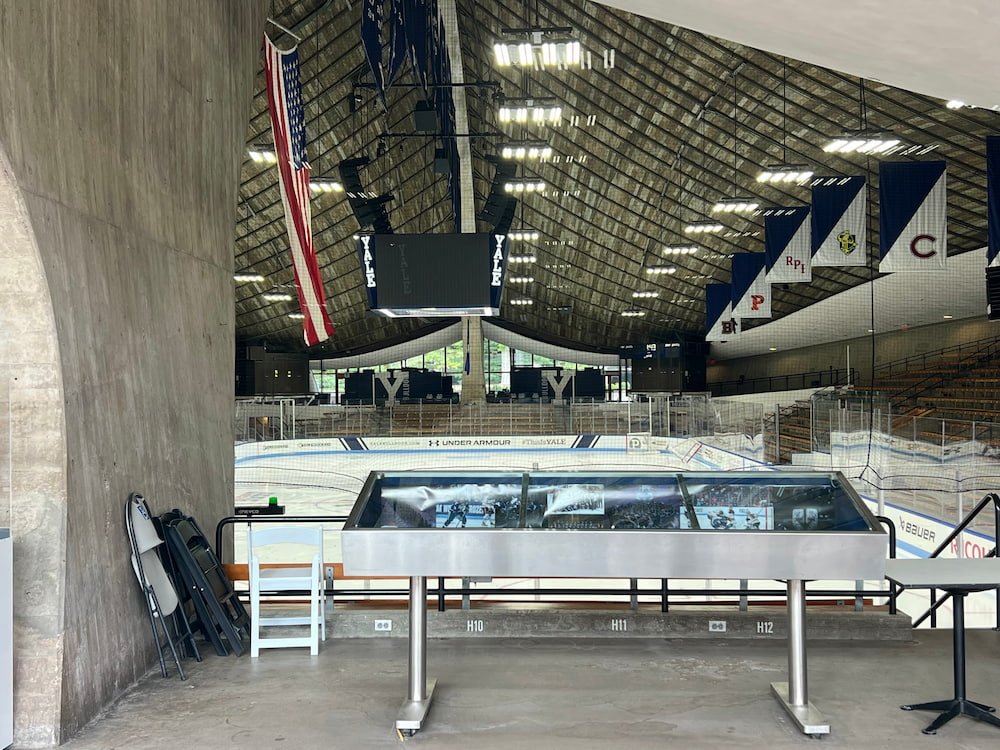
We parked nearby and took down one e-bike, with Michael pedaling and Lisette the passenger, so that we could around more quickly. Our first stop was outside of the Yale Peabody Museum, one of the oldest, largest, and most prolific university natural history museums in the world. Founded by the philanthropist George Peabody in 1866, it has a bronze sculpture of a triceratops in front of the building. The Ingalls Ice Rink was another cool building, designed by Finnish-American architect Eero Saarinen (who designed other notable buildings such as the Gateway Arch that we visited in St. Louis). We couldn't go inside, but we could peer in and see the ice hockey rink, while the building itself is striking because it's shaped like a whale.
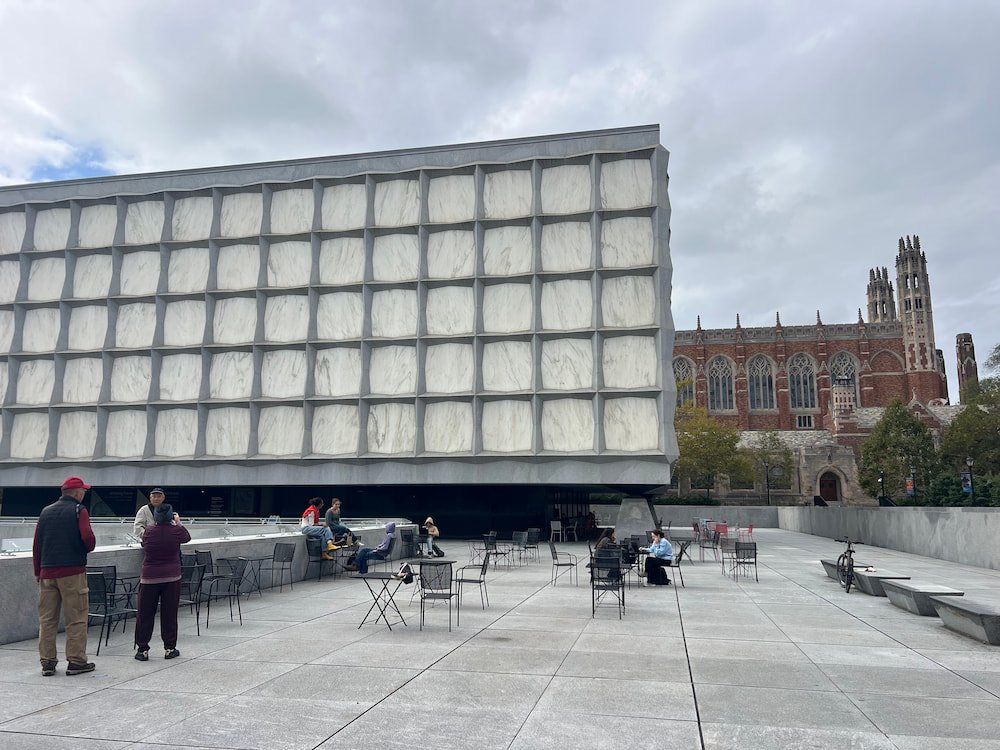
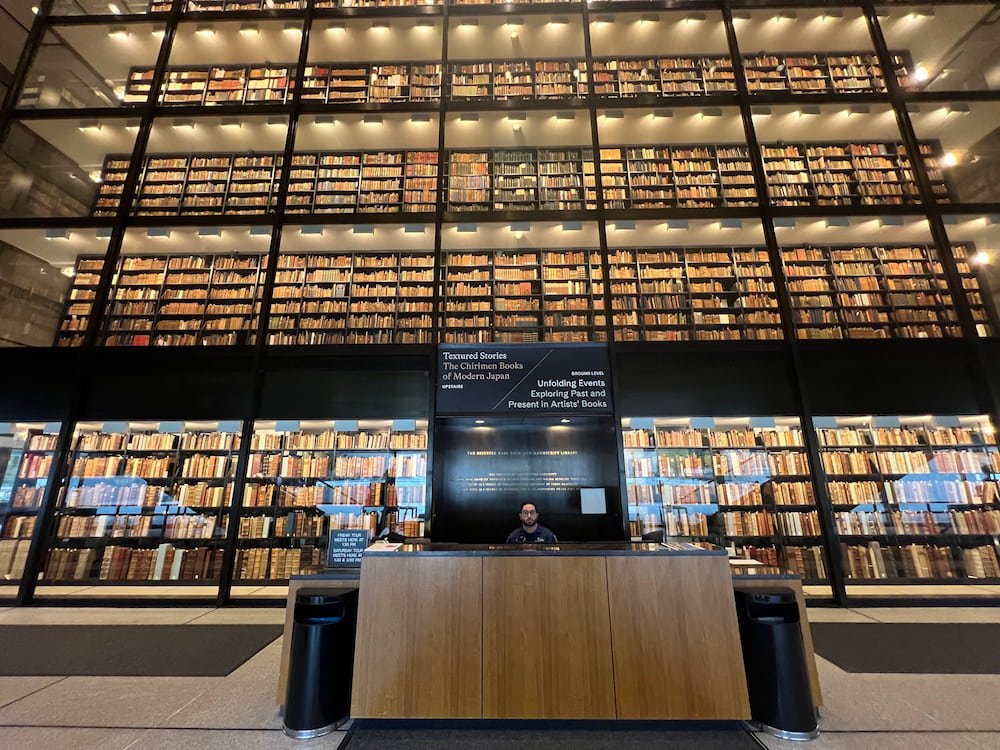
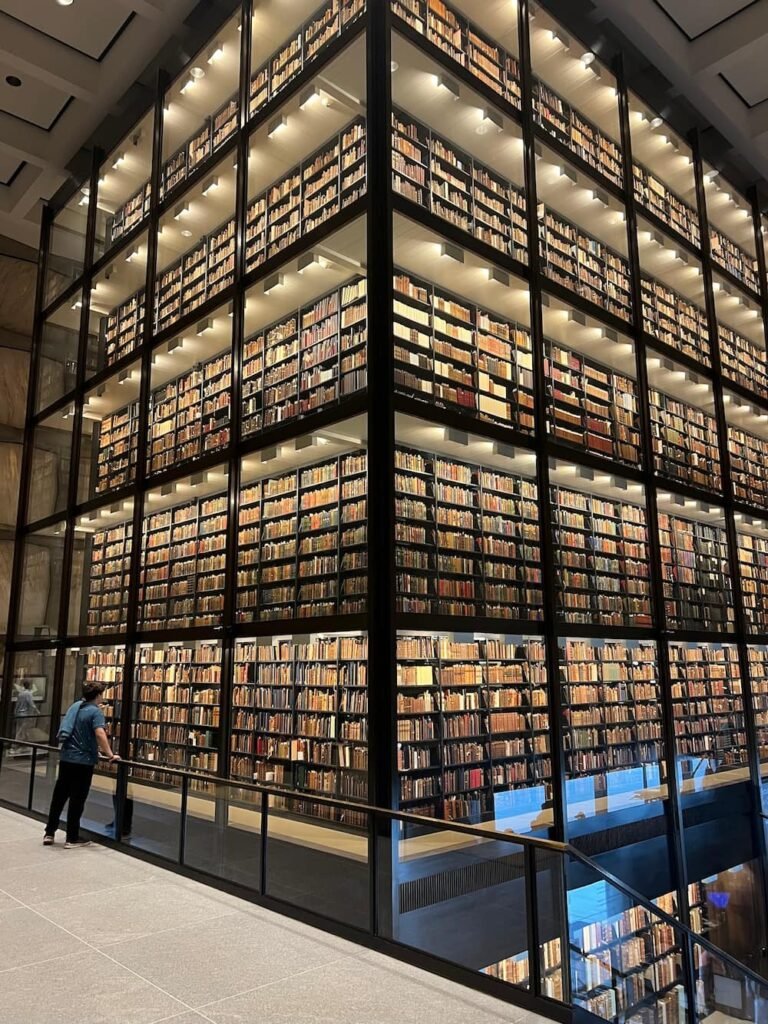
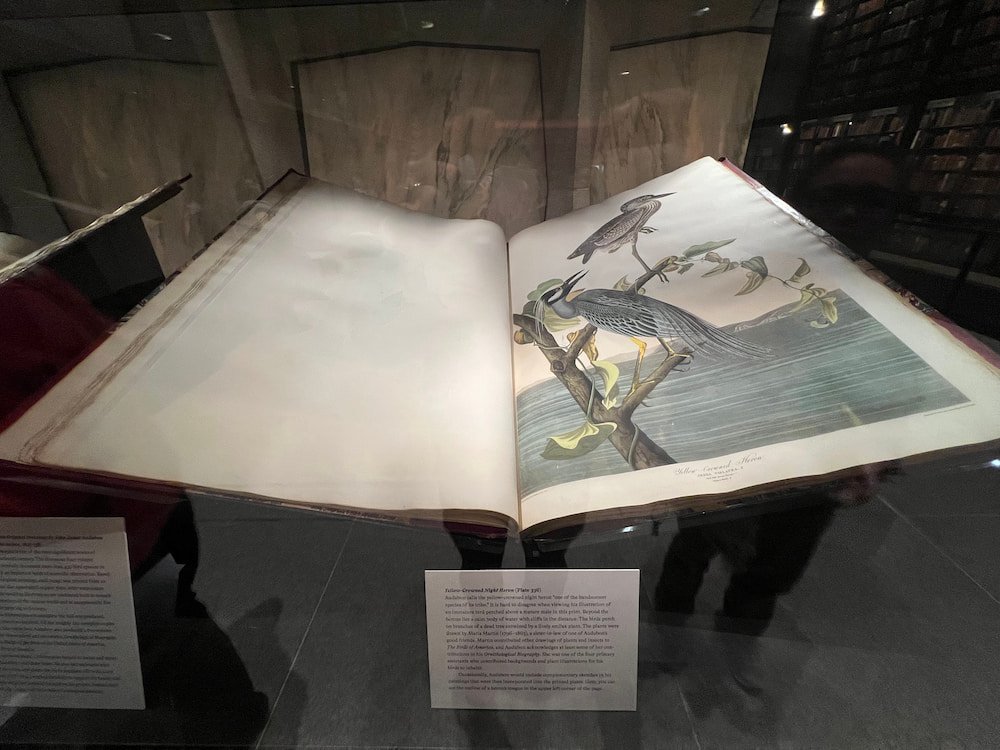
One of the most captivating and stunning buildings on our e-bike tour was the Beinecke Rare Book and Manuscript Library, one of the largest buildings in the world dedicated to rare books and manuscripts and is one of the largest collections of such texts. Once we entered, we and so many other people reacted with a big "WOW" to how the library was designed. There are six, massive, translucent marble panels that filter sunlight inside the stack of books inside, which seem to float within the marble enclosure, and are illuminated in low-light. We could walk all around the perimeter of it, where it shone like a beacon in the middle, and included treasures like the Gutenberg Bibles, manuscripts, historic maps, and other rare tomes. Around the illuminated book tower were even more exhibits, focusing on the "Chirimen" textured books of modern Japan. We spent quite a bit of time simply wandering around, taking in every side that we walked along.
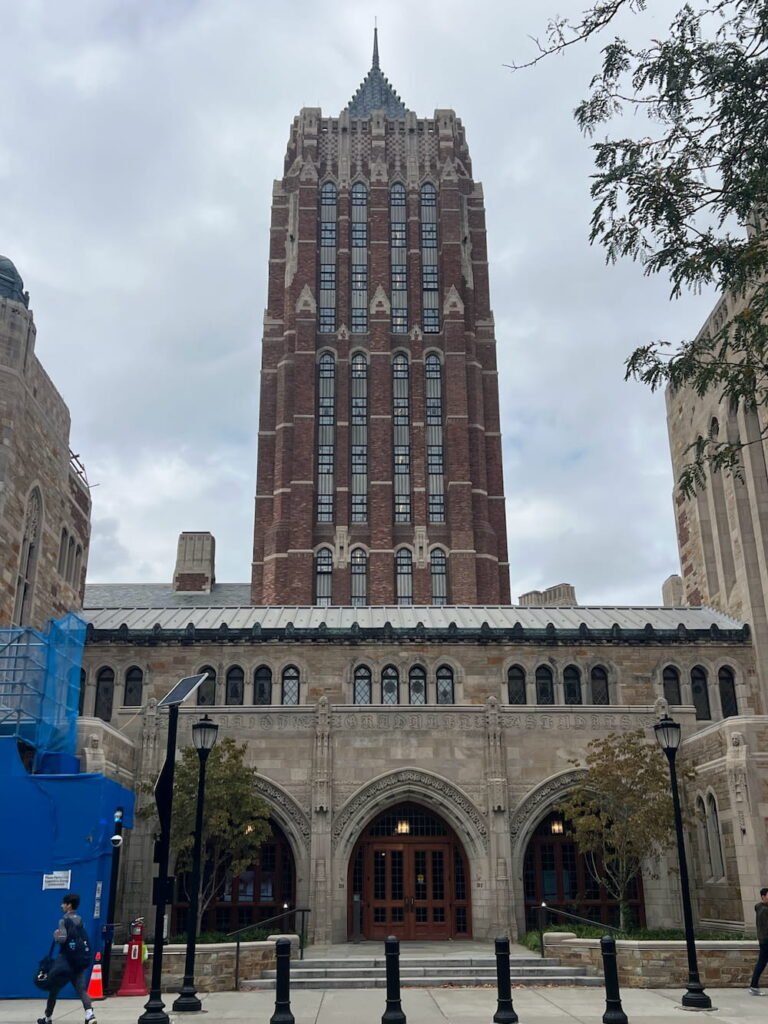
One of the last highlights of our visit to Yale was the Yale University Art Gallery, the oldest college art museum in the country. It's free and open to the public, although we didn't spend too much time here as we needed to get back to Sheila, although we also cycled passed New Haven Green, a 16-acre privately owned park and recreation area in downtown New Haven, not far from Yale and a nice place for a stroll or to just hang out.
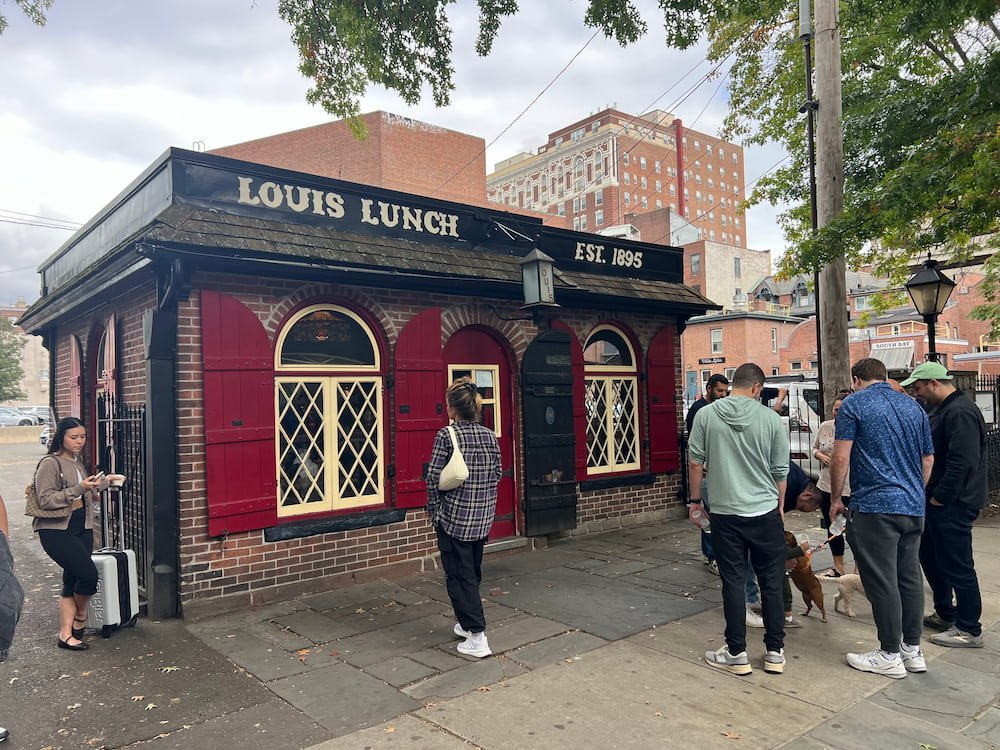
Before we headed back to the RV, we swung past Louis' Lunch, which had a queue of people waiting to eat inside this historic restaurant. It's been recognized as being the Birthplace of the Hamburger Sandwich, and has been serving it since 1895. Today, the restaurant is run by the 4th generation of the family who started it, making it one of the oldest family-run businesses in the country. We'd already visited the birthplace of the hamburger in Seymour, Wisconsin, so now this is the next evolution, the hamburger sandwich!
A Revolutionary Rock
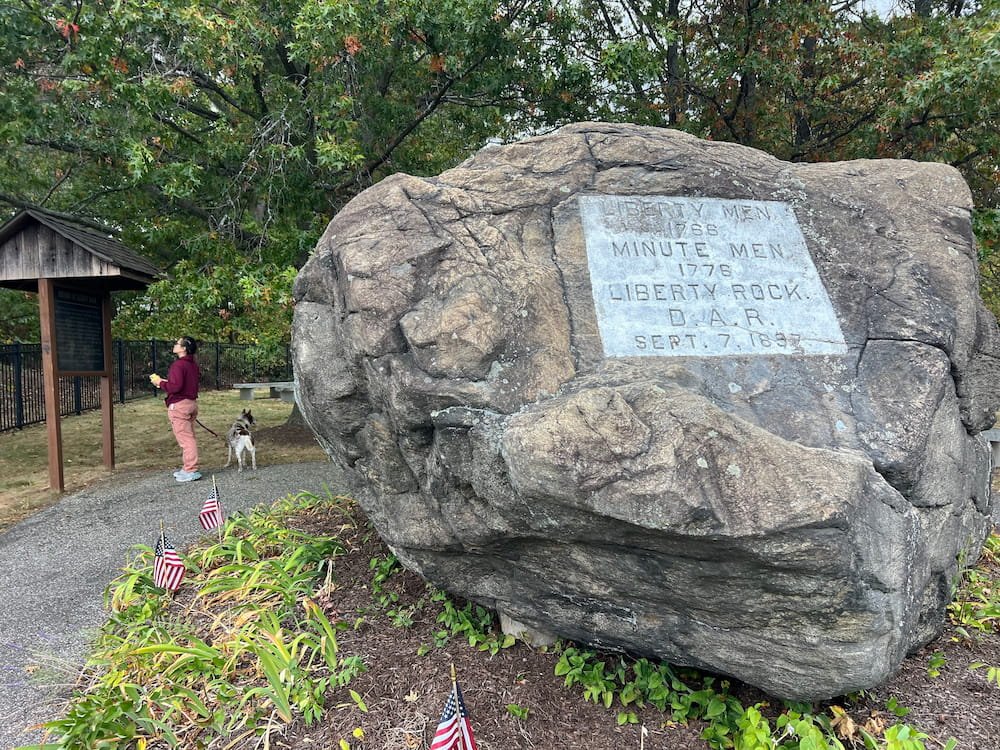
Blink and you'll miss it, but our last stop in the vicinity was at Liberty Rock in Milford, a big boulder that once served as a lookout point for local militiamen during the Revolutionary War. From the top, guards could spot ships in Long Island Sound and watch the Boston Post Road for British troops. It was originally nicknamed “Hog Rock” because it looked like a pig (we couldn't really see the resemblance), but it was renamed in 1897 to honor its patriotic history. It's a short trek uphill to the small park it sits in, complete with a plaque and a view of the town: perfect for a brief stop for us and for Sheila--since it's mostly enclosed, we were able to let her wander around freely and enjoy the area!
In the evening, we drove towards the Stamford, stopping just before the city to park at another travel stop for the evening. We'll be wrapping up our tour of Connecticut tomorrow before crossing over into New York!