
The first full day of daylight savings time was living up to its reputation, with our solar power continuing to dwindle. At this rate, we'd have to consider staying in an RV park to recharge, as we were running very close to draining all of our power.
The Bloodiest Battlegrounds in US History
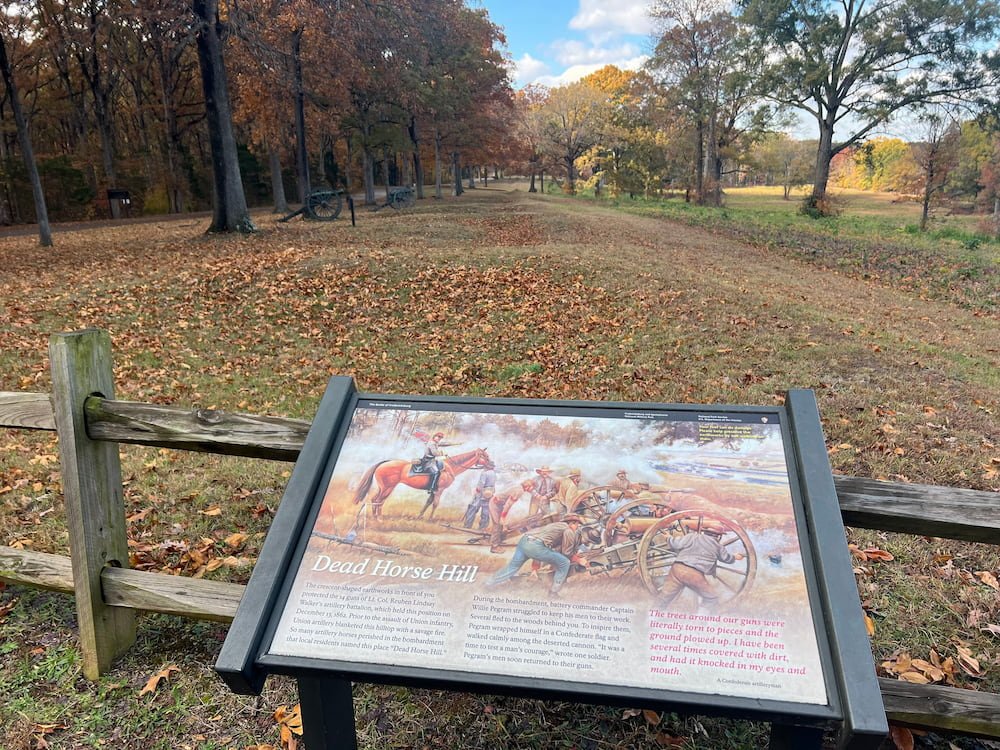
But before we decided whether to stay and pay for a campground for the night, we went to Fredericksburg and Spotsylvania National Military Park, the site of the Civil War's bloody battles, where the Confederates defended themselves against the advancing Union armies. Over the span of 18 months, the Union army conducted 4 battles in this area: Fredericksburg (December 1862), Chancellorsville (May 1863), and Wilderness and Spotsylvania Court House (May 1864), resulting in over 105,000 casualties.
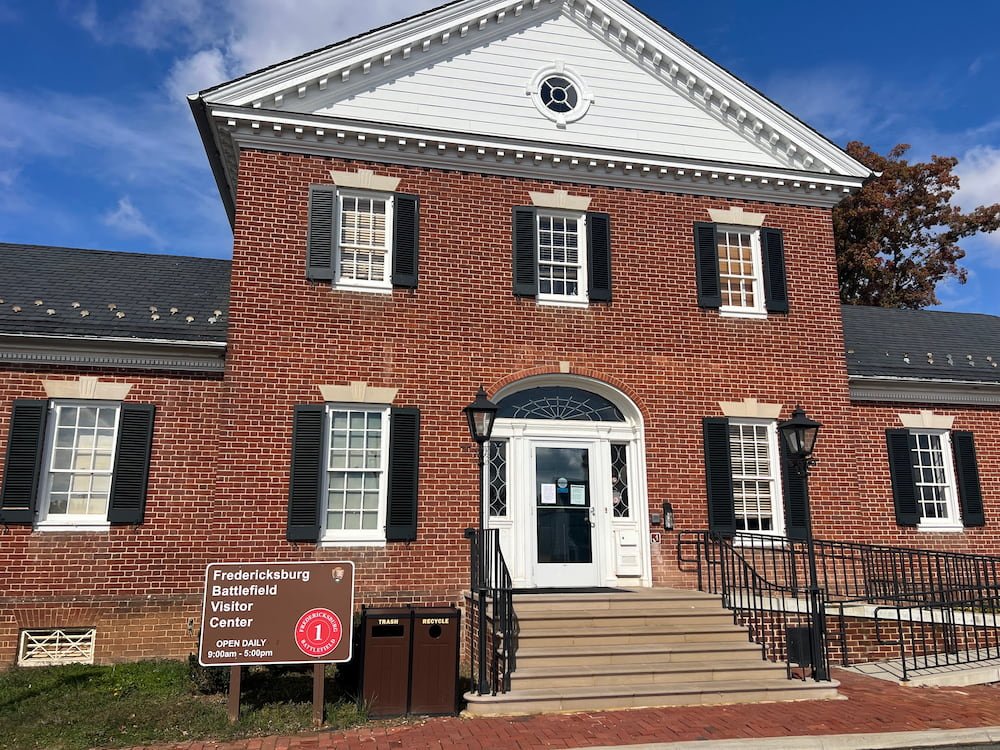
We went first to Fredericksburg National Cemetery, the final resting place of thousands of soldiers. Assuming that the visitor center would be closed due to the shutdown (which it was), we were surprised to find a lady working in the separate gift shop building, who was incredibly informative, giving us an overview of the Civil War and the battles that took place on this land. There are a few trails around the park, where we could see the cemetery and some artifacts like cannons along the path. The landscape was so stunning and peaceful with the fall leaves, at completely contrasting ends to the violent bloodshed that occurred here over 150 years ago.
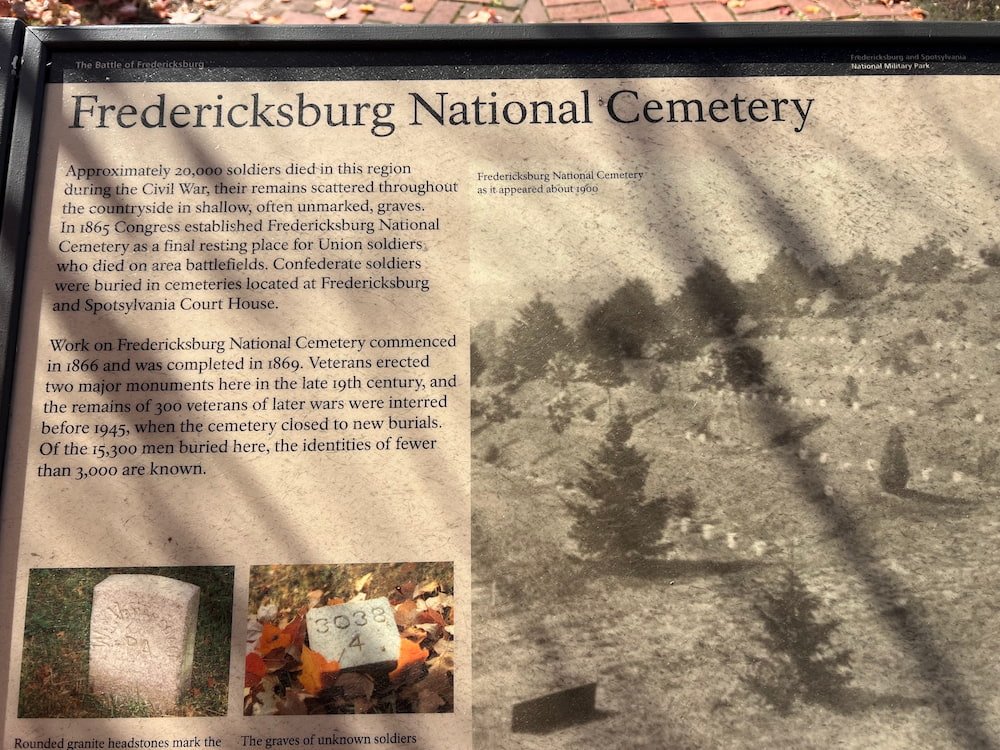
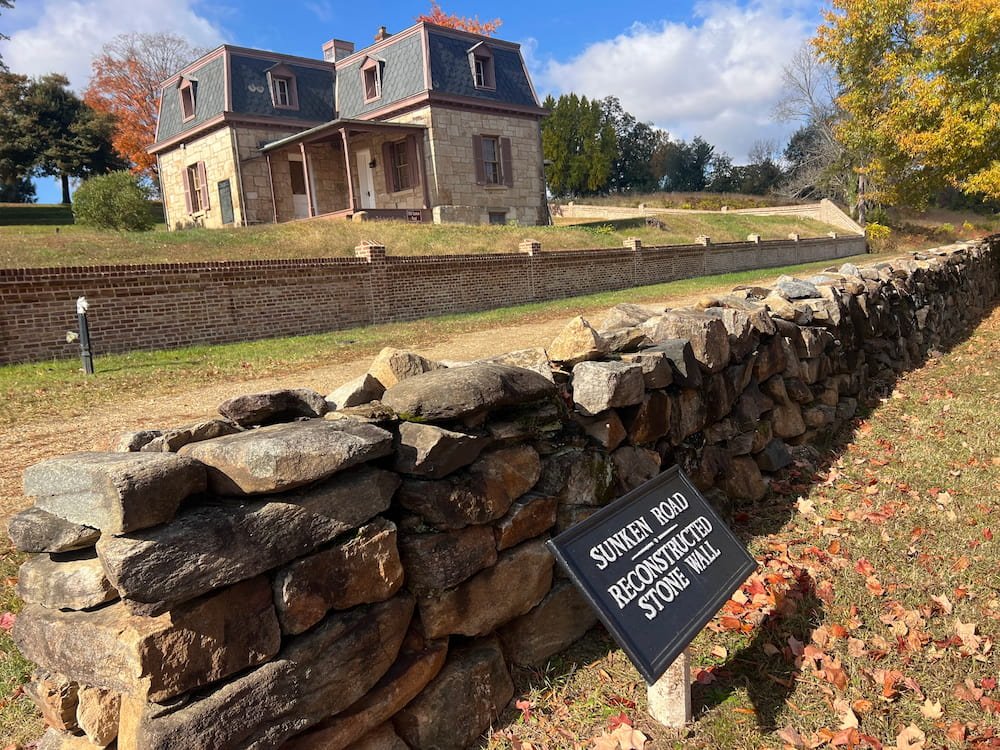
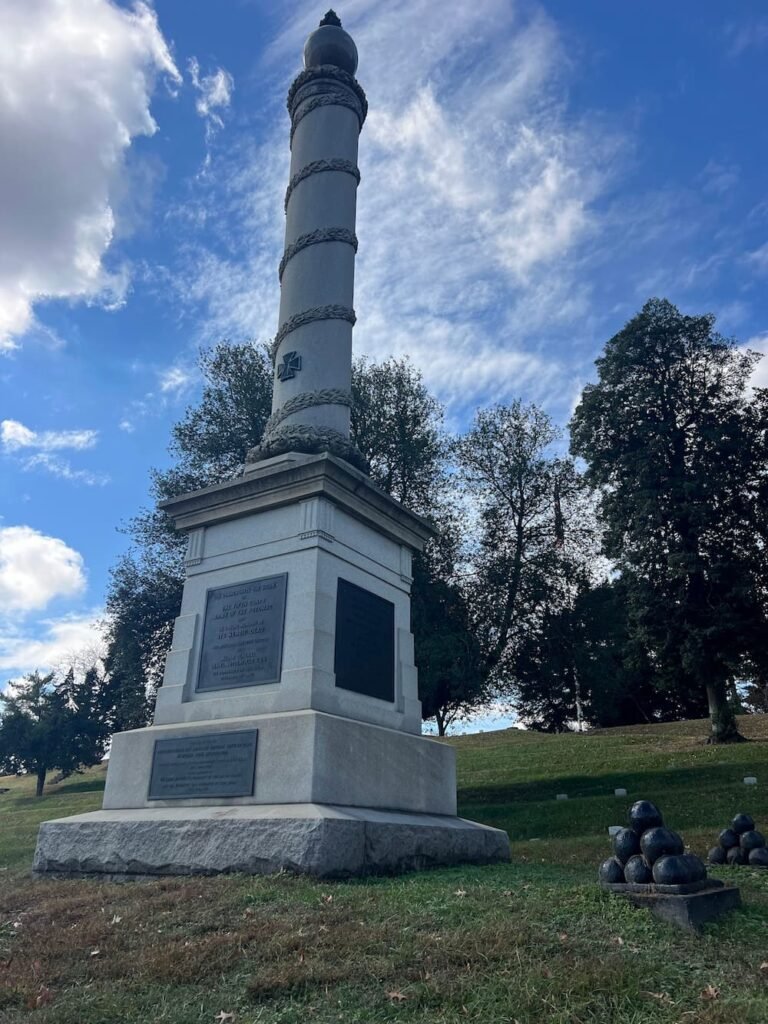
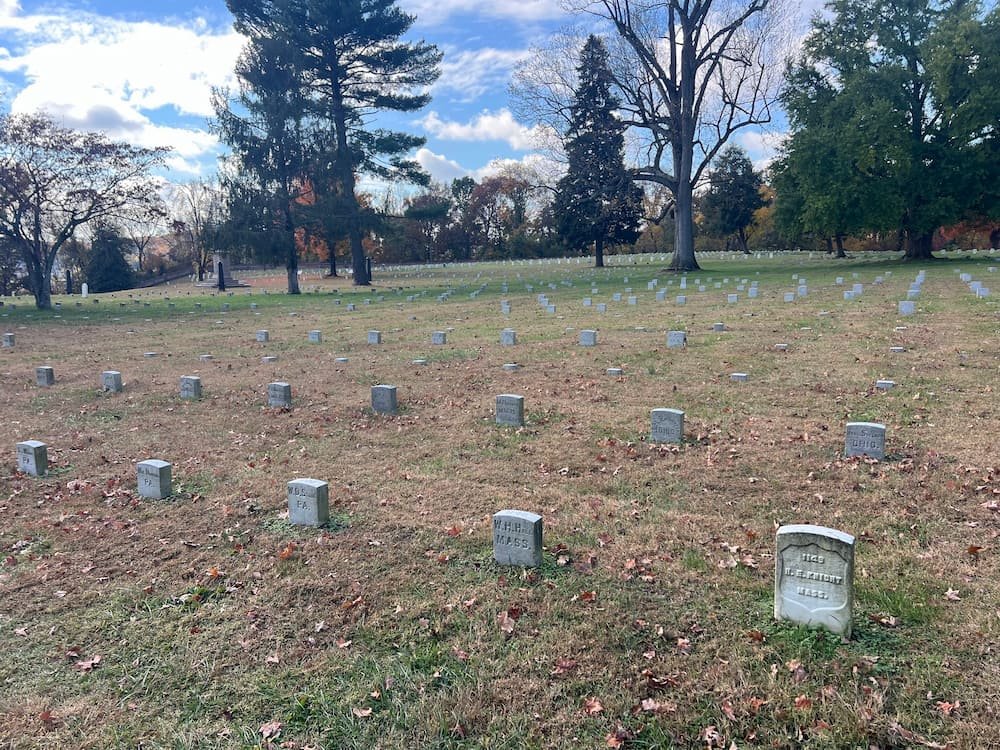
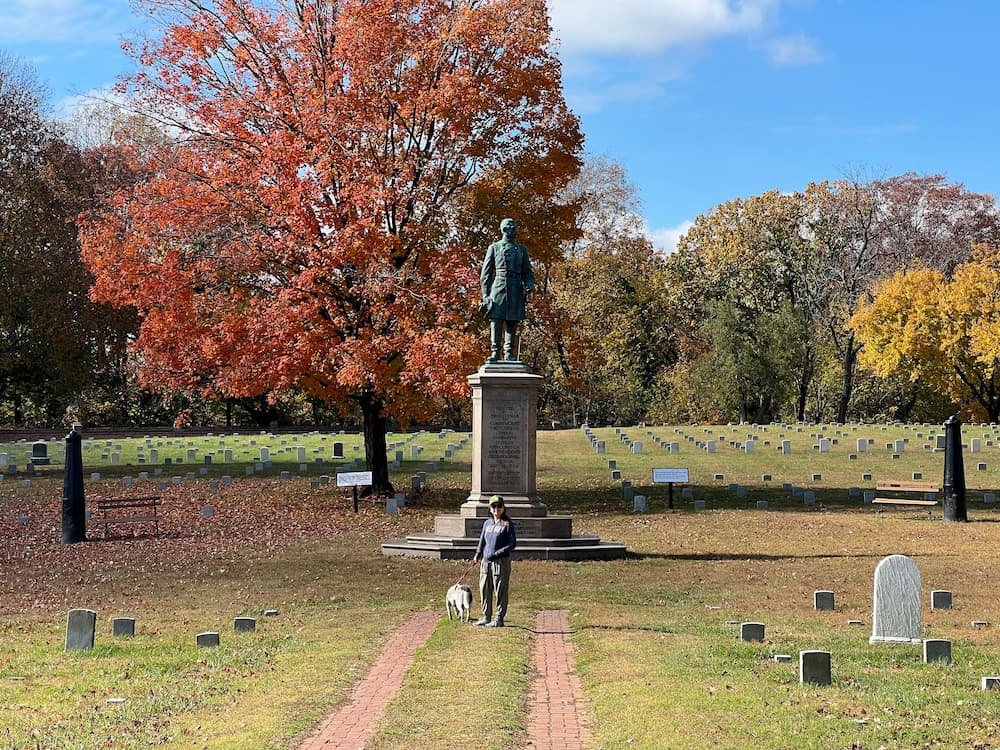
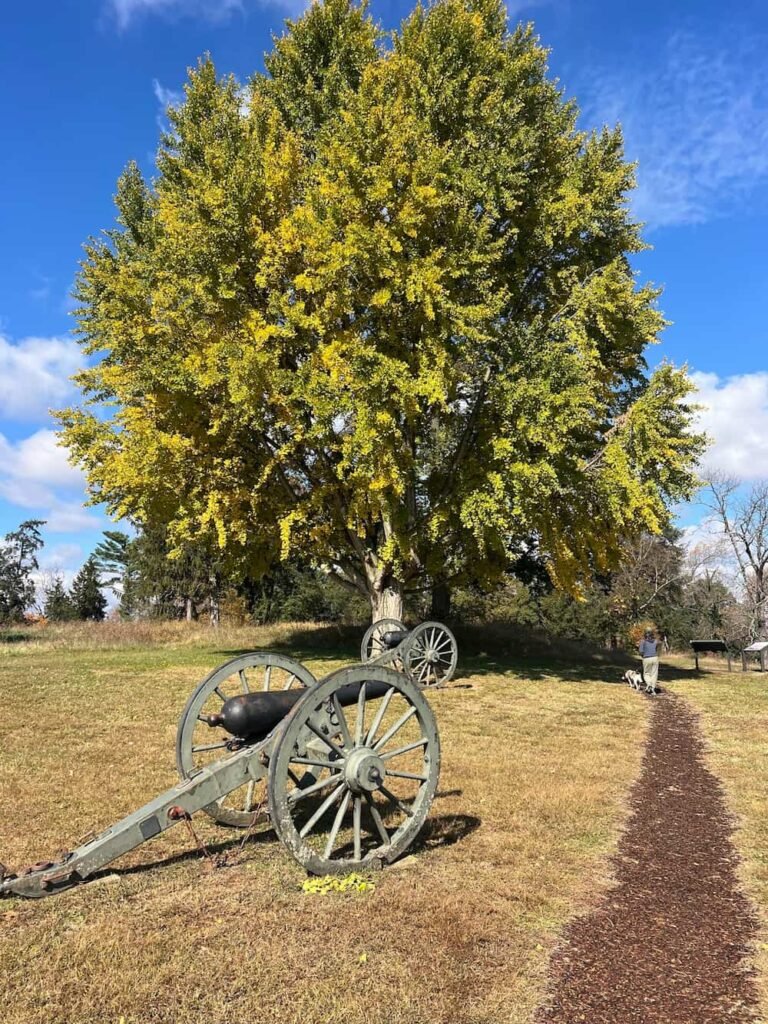
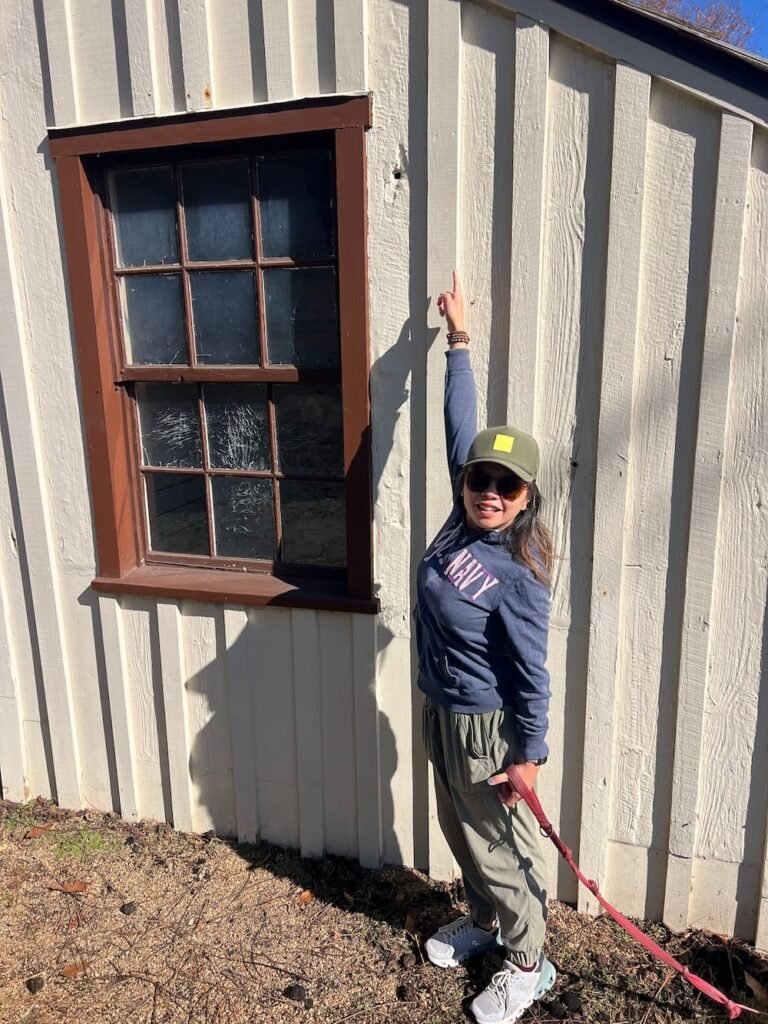
We walked around to see the cemetery where many casualties are buried, seeing the remnants of cannons, and imagining the vantage point on the hill that the Confederates may have had. Further along, we passed Innis House, which was built between 1856 to 1861. During the Battle of Fredericksburg, there was a small cluster of homes and businesses, occupied by 4 families. The Innis House was one of the buildings that came in direct fire between the Unionists and Confederate armies, yet by the end of the battle, the structure stood intact, and the Innis House remained a private home for the next century. It's now uninhabited and part of the national park, but even after restoration it still has bullet holes that can be seen from inside and outside the home.
The 4 battlegrounds are a bit of a drive from each other, and even the Fredericksburg battleground was rather large, as we drove further south of this site, which put us onto a beautiful trail surrounded by tall autumn leaves shedding their leaves, which mesmerizingly floated to the ground. There were a few folks here jogging around, and it was rather difficult to imagine that this was the place where so much bloodshed occurred; the place is now so gorgeous.
Experiencing the South in Richmond
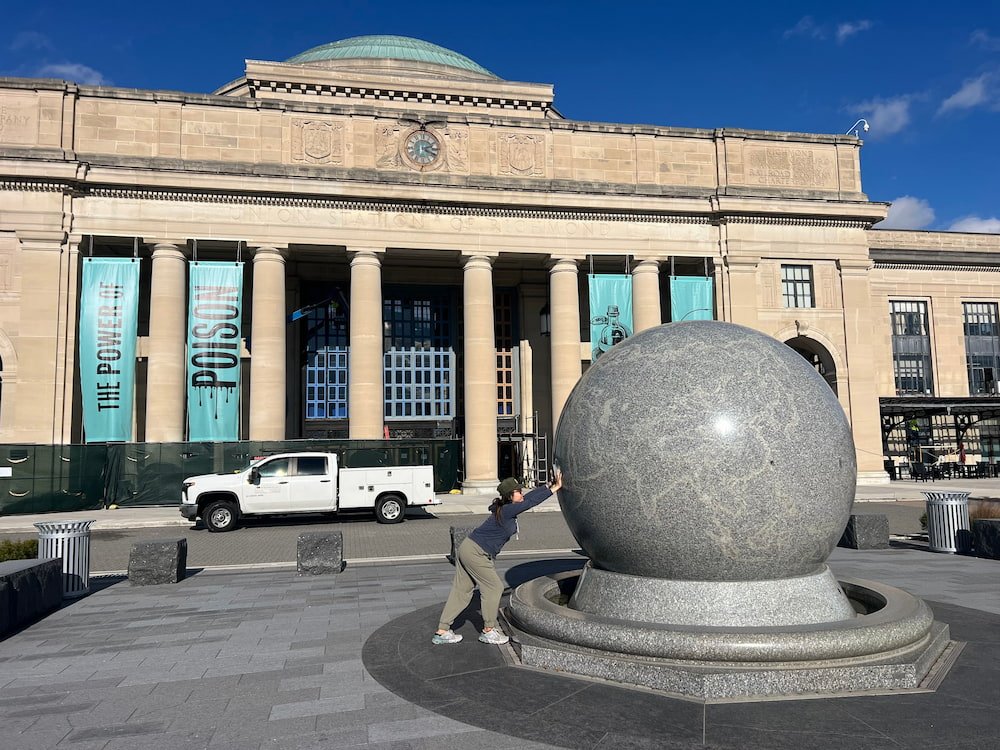
We next made our way to Richmond, the capital of Virginia, where we stopped briefly at the Science Museum of Virginia, which was undergoing some renovations to its facade, but was unfortunately closed (like many museums, they aren't open on Mondays). We did, however, get to see the Earth Kugel at the front of the building, which holds the Guinness World Record for the world’s largest floating ball sculpture. It weighs 29 tons and is nearly 9 feet in diameter, made from 300 million-year-old granite quarried from Le Sidobre, the largest granite plateau in Europe. Sadly, there was no water underneath the Kugel (water pressure flowing underneath is needed to push and rotate it), so it was impressive, but a slight letdown! We did see a kugel in upstate New York though, so we hadn't missed out on the opportunity to push one of these spheres during this trip.
As we drove further into Richmond, the city's Confederate past was very noticeable. We didn't know this before this trip, but Richmond was the capital of the Confederacy during the Civil War, so that makes complete sense. We were able to drive by the still-operational Byrd Theatre, which was built in 1928 to much excitement, and affectionately called "Richmond's Movie Palace." We also briefly saw the Monumental Church, a former Episcopal church that's one of America's earliest and most distinctive Greek Revival churches. In 1811, about 600 people crammed into the Richmond Theatre to watch a performance, but a fire broke up and quickly spread, killing 72 people and reducing the Theatre to rubble. This Church was built to memorialize those who died in the fire.
It was really busy in the late afternoon with traffic, and we couldn't really find anywhere to stop and park, so we decided to simply move on. That's definitely been a challenge at points during this trip, which has meant that there's been instances we've just given up to see a place in more detail.
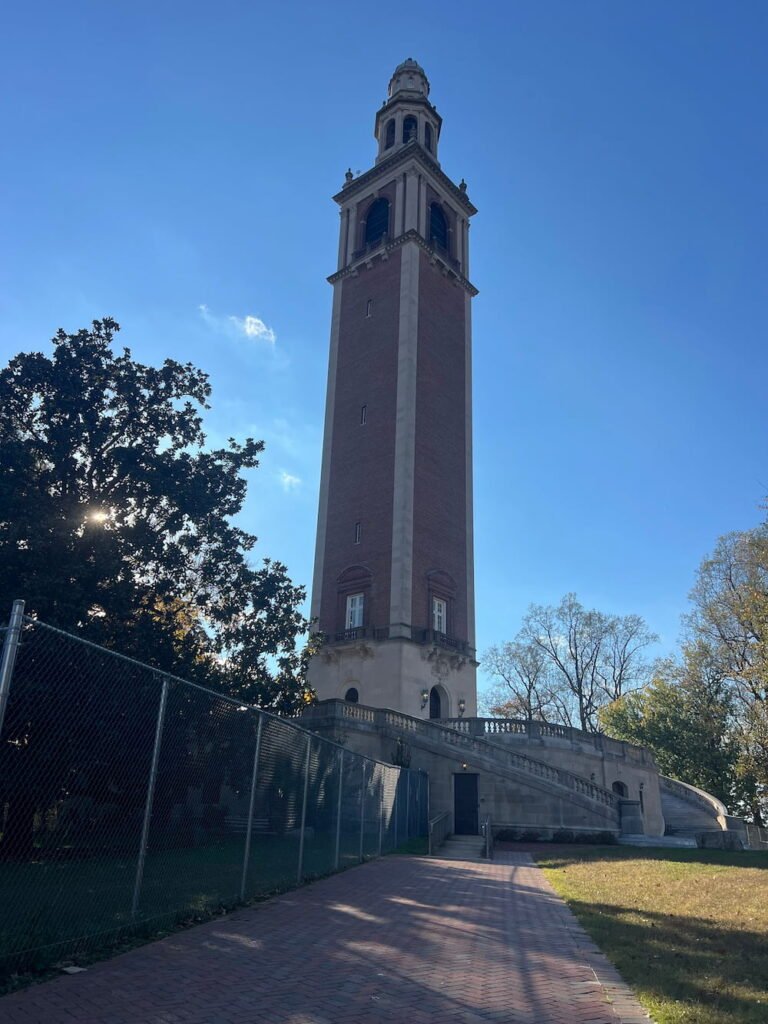
Before we left Richmond, we went to the Virginia War Memorial Carillon, in a park away from the heart of downtown, in William Byrd Park. The Carillon was built to commemorate the approximately 3,700 men and women from the state who died as a result of World War I, made up of fifty-three fixed bronze bells of varying sizes, still played today by a carilloneur today for special occasions. It was quiet when we were there, but the tower is impressive nonetheless. And we were able to stop right in front of it, unlike our brief drive through downtown!
A Unique RV Campground
Our solar power had continued to dwindle despite the sunny day, so we went to an RV Park. It turns out that between Richmond and the campground, it was a very rural area! The lower half of Virginia definitely feels like a southern state--and with the amount of Confederate signs--including flags, monuments, and buildings that we'd seen in Richmond like the United Daughters of the Confederacy--it seemed actually to be the most southern state that we'd visited so far.
Eventually, we made it to our campground within this rural Virginia setting, driving down a path deep within a forest to get to the entrance. The campground, called Colonial Pines Campground, was set within Williamsburg Christian Retreat Center--yep, a place for religious retreats. We hadn't stayed at a religious campground so weren't sure what to expect, but besides the "tree of life" mural at the main office and the sign for a chapel, there wasn't anything else that noted that it was religious.
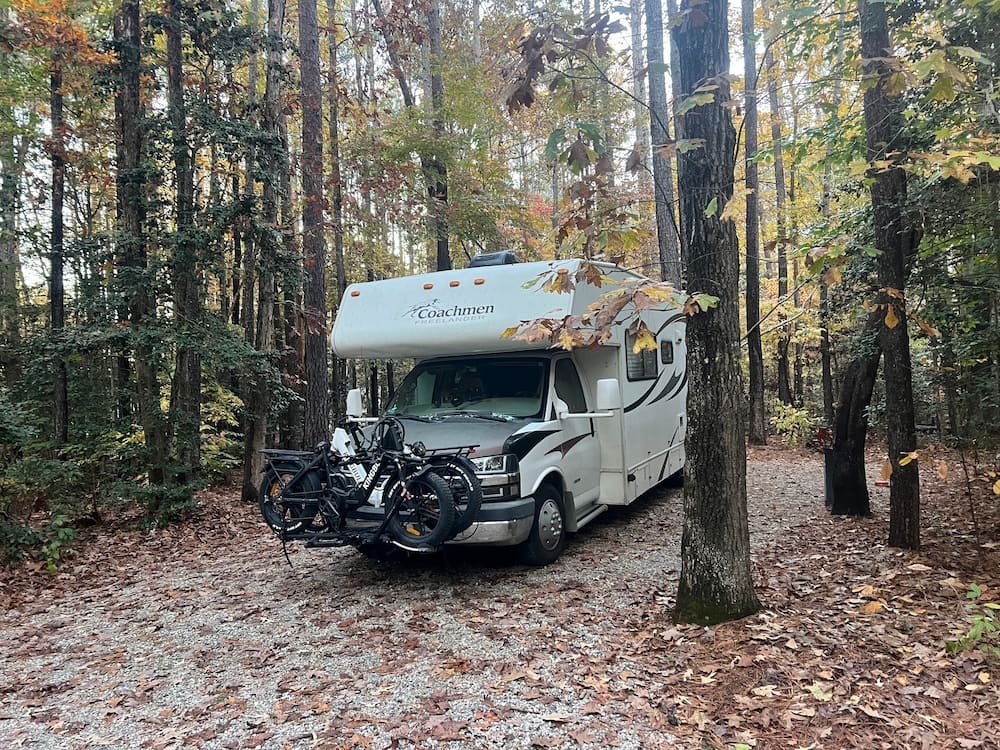
The ratings were positive overall for the place which is why we booked it, and the RV sites were lovely--there were only a handful of other folks staying among the trees with us who kept to themselves, and we had a pullout that we encased in the forest, making for a serene and quiet setting. There was a restroom/shower across from us in the campground, and there were some trails near us, including one that led to a basketball court, volleyball court, and other amenities for families who were probably here over the summer. One of the best things about this RV park? Late check out! Usually it's 11am, but we were able to stay until 2pm, unheard of for us so far, but it was a big benefit as we had extra time to do chores and errands before driving off. Having time to catch up on everyday life and do everyday things is so important for long travels!