
We'd slept in the parking lot of a shopping complex with grocery stores and fast food chains, but we were still some ways away from the center of St. Augustine, so we crossed our fingers in the morning and headed towards town, so we could find a closer spot to leave our RV and travel around by e-bike.
The Zebra-Striped Lighthouse
We fortunately found a spot outside a motel (didn't need to pay for parking, it was also a Sunday), and went first to the St. Augustine Lighthouse & Maritime Museum, a beautiful black and white striped lighthouse, with a red top. It's still an active lighthouse that's over 150 years old, although there were already references to a wooden watchtower in 1589, which were built by the Spanish crown to keep enemy ships from taking Anastasia Island.
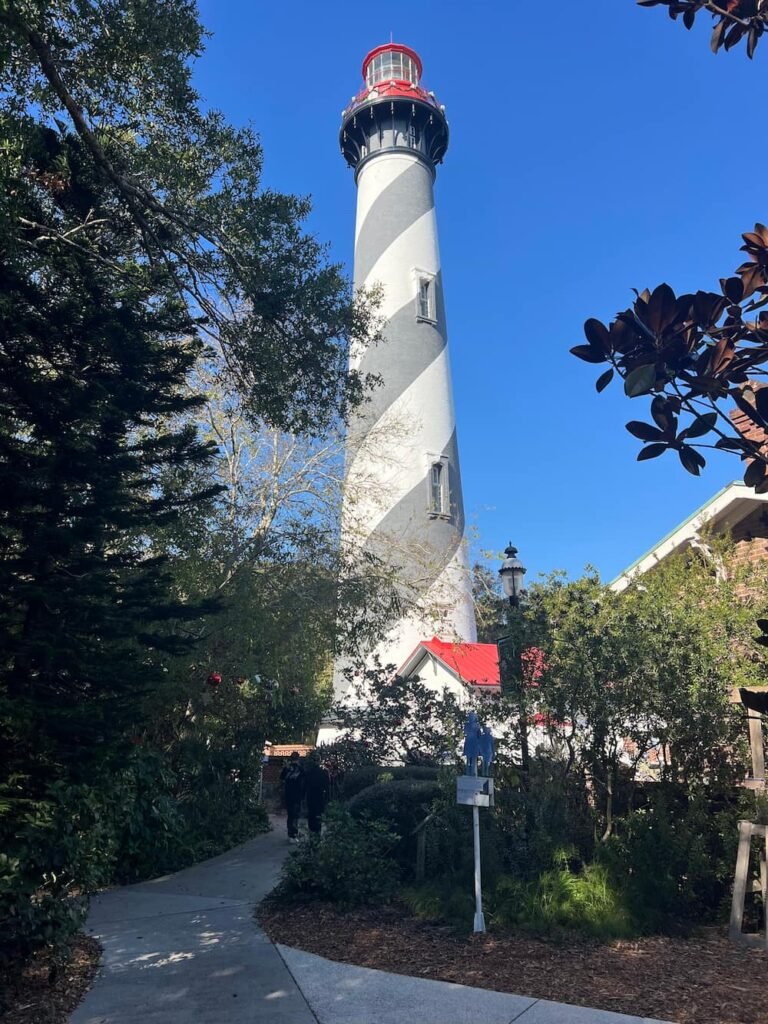
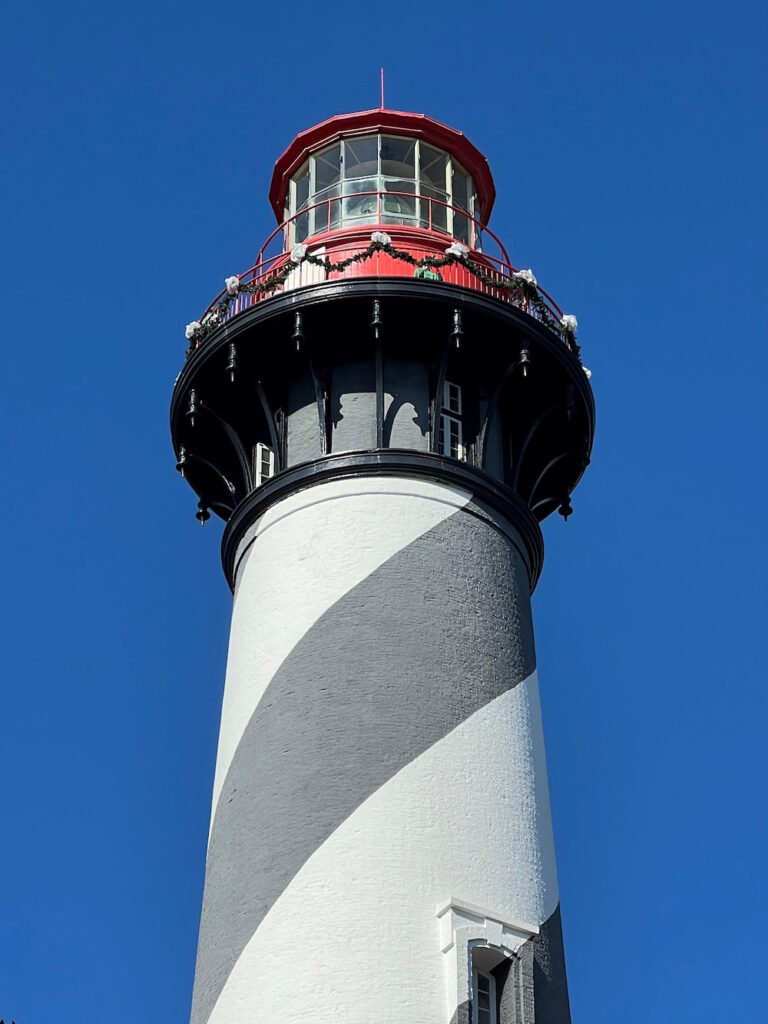
It costs $17.95 to enter the lighthouse, museum and shipyard playground that are all part of the admission, but we were fortunately able to get a great shot of the lighthouse from outside, behind a fence! There was a busload of folks waiting to pile into the lighthouse while we were there. We've never paid to go up into any lighthouses on this trip--maybe someday, somewhere!
Historic St. Augustine
We rode across the Bridge of Lions, which connects Anastasia Island with downtown St. Augustine. It's a drawbridge that opens up for boat traffic throughout the day, and gets it name from the 2 white marble lion statues guarding the bridge on the St. Augustine side (there are 4 lions in total). We could already see a lot of gorgeous Spanish architecture as we neared the end of the bridge--it really does seem like we'd stepped into Spain!
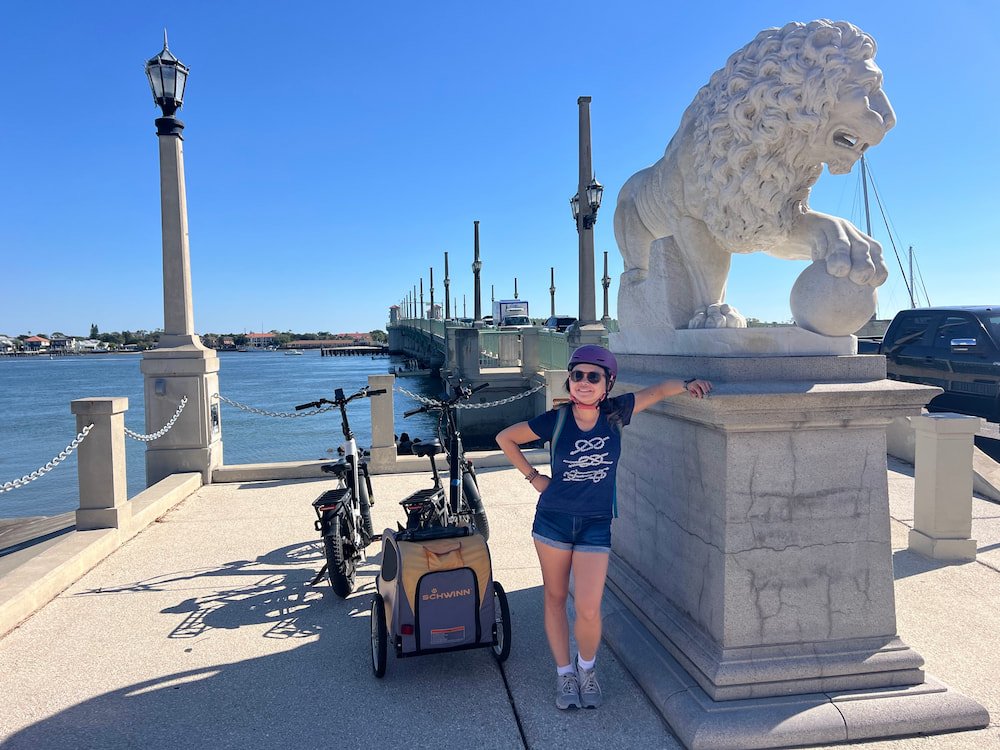
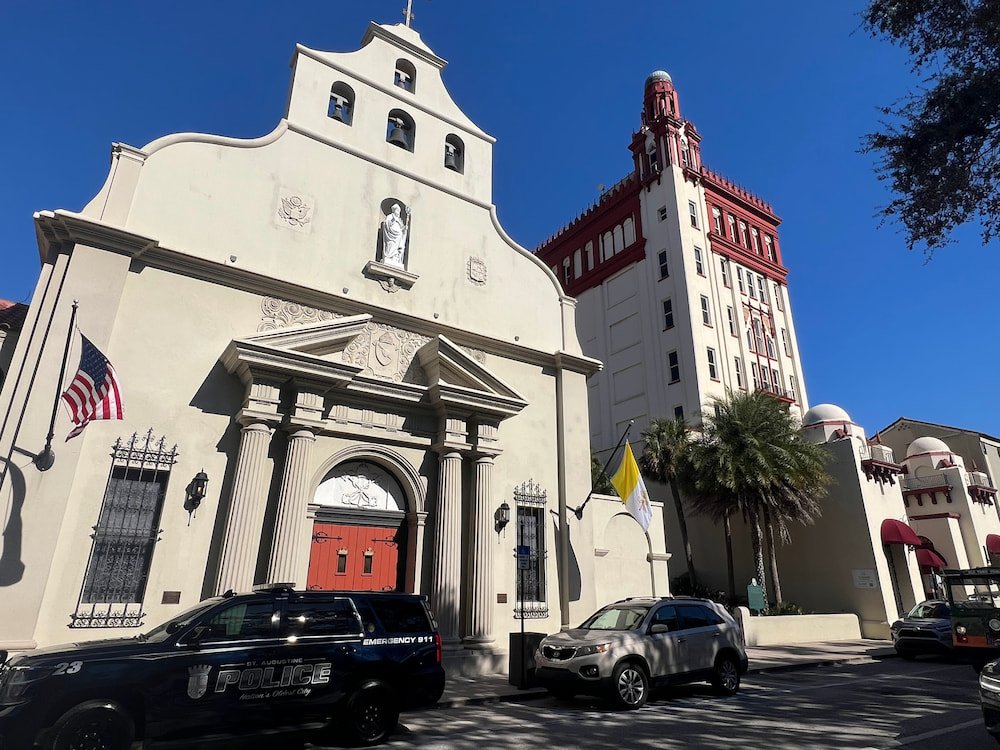
Some notable buildings immediately on the other side included the Cathedral Basilica of St. Augustine, the Plaza de la Constitución (a small park that's been around since 1573 featuring a pavilion & war memorial), and the Governor's House Cultural Center & Museum (home to several government offices since 1598, it has a museum and overlooks the Plaza de la Constitución).
Museums and Majors
Further along, we went into the Lightner Museum, which is a Spanish Renaissance Revival style building that houses antiques that are mostly from the American Gilded Age. We went into the lobby and it was gorgeous, with a marble statue of a nude in the middle, chandeliers, and artworks on the walls.
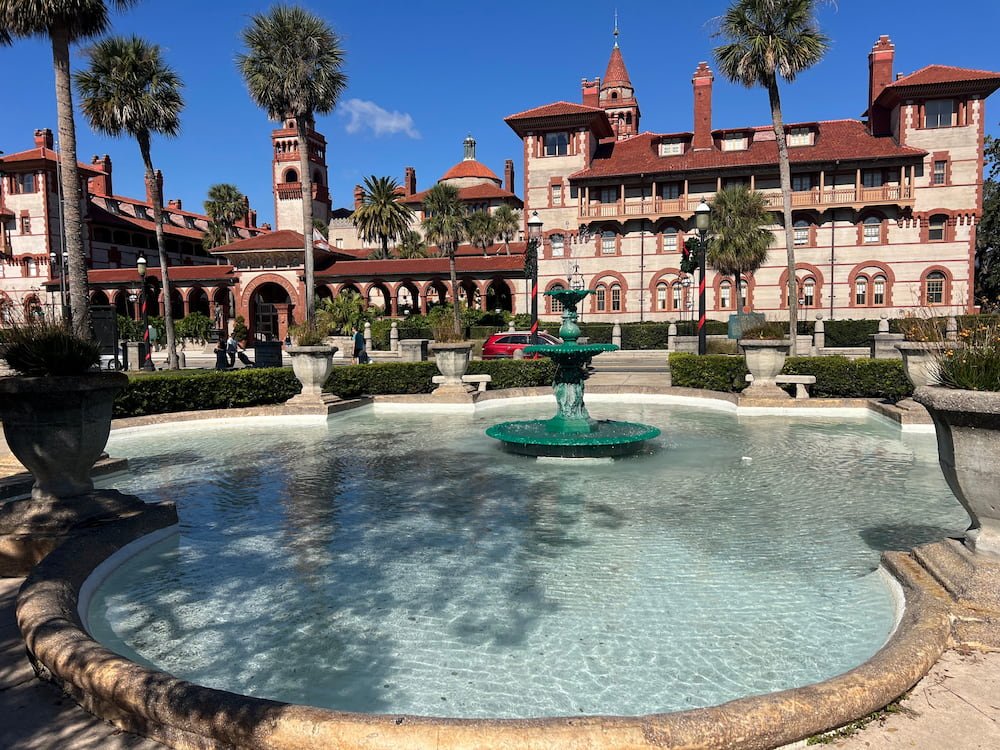
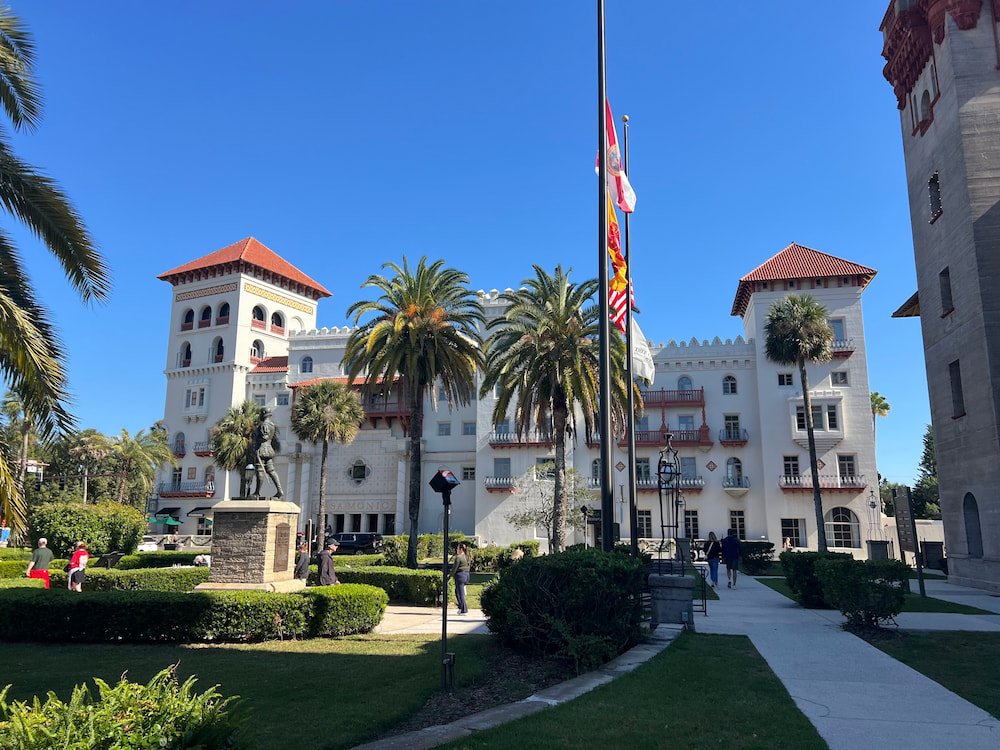
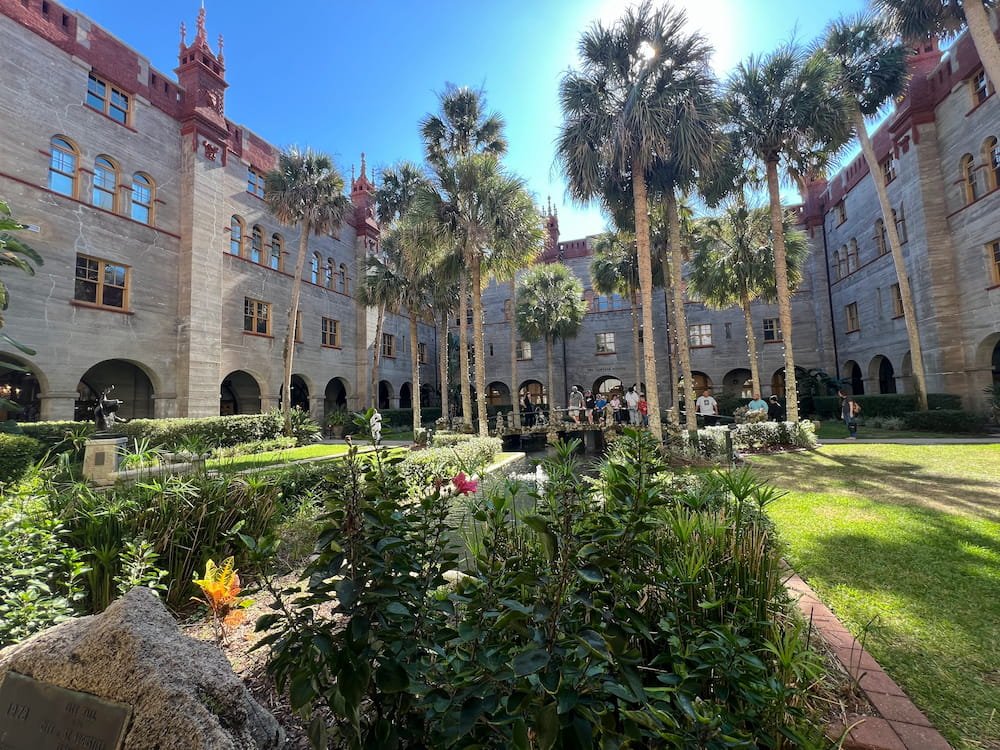
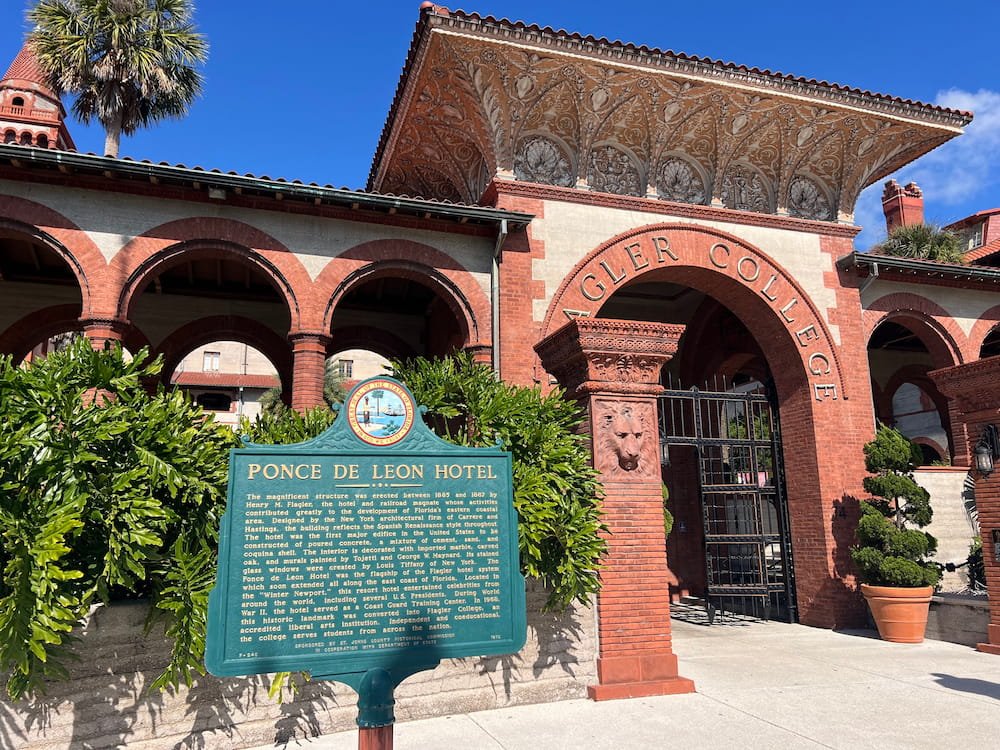
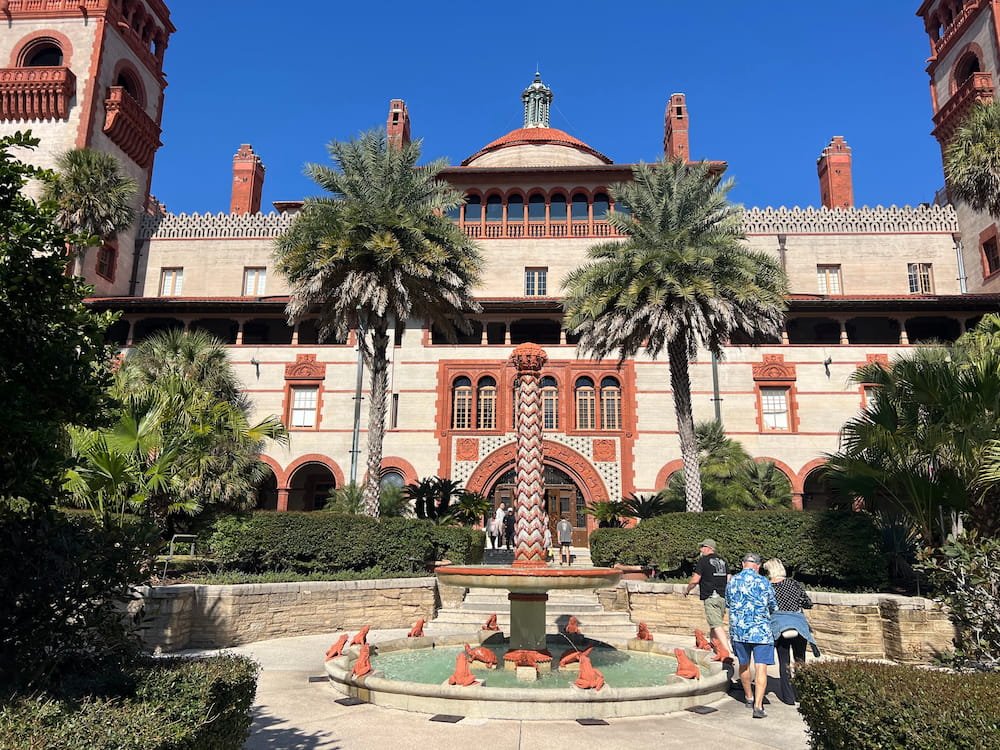
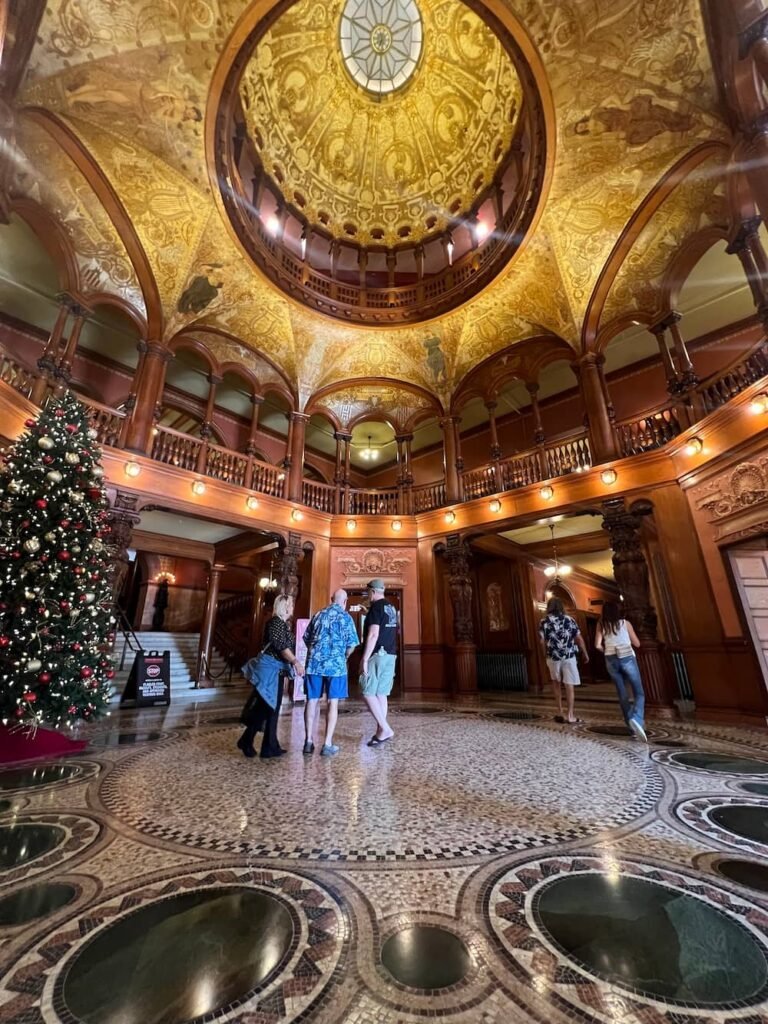
We spent more time at Flagler College, a private liberal arts college across the road that was founded in 1968. What a lovely environment to be studying in, surrounded by beautiful architecture and rich history? The college itself was once the Ponce de Leon Hotel, a luxury hotel that was built in 1888. The courtyard as we entered was stunning, with its Spanish Renaissance-style architecture, and manicured garden featuring palm trees and vibrant flora. There was also a fountain in the center, with terracotta frogs surrounding it, spitting water into the middle. Inside, there's an exquisite lobby that drew our eyes around and up--looking at all the details including the Louis Comfort Tiffany stained glass, hand-carved oak, and murals. It was like we visit the Spanish Renaissance version of Hogwarts!
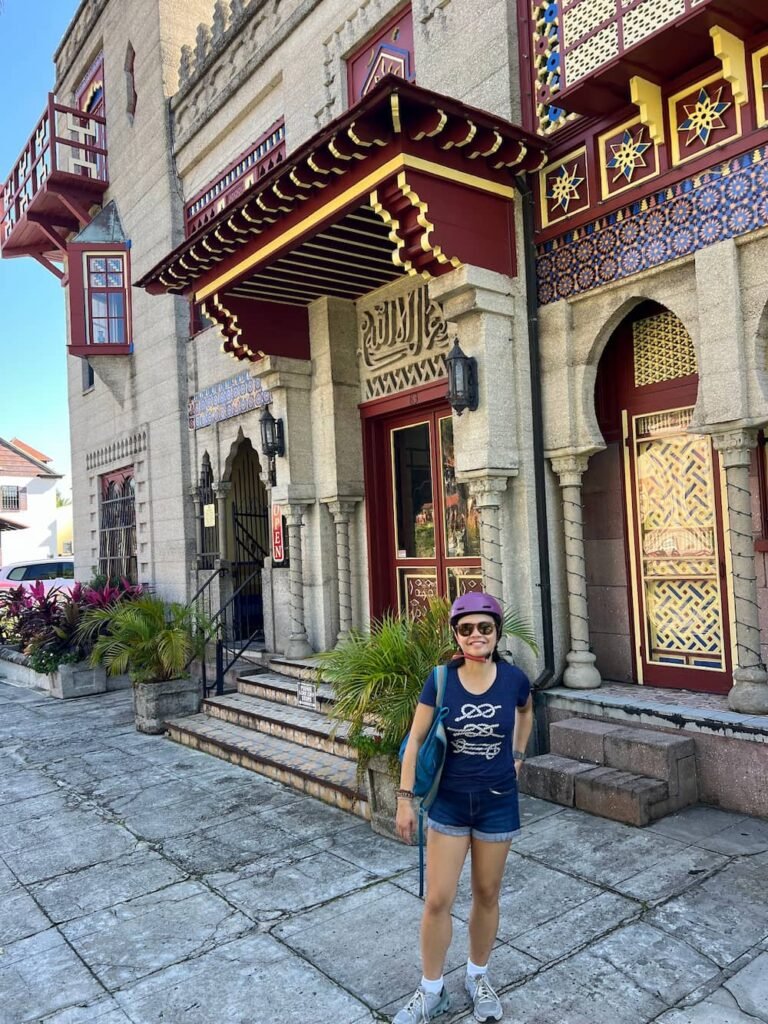
The Villa Zorayda Museum is newer than many other buildings as it was built in 1883 by an eccentric Boston millionaire as his winter home, but was designed to look like a 12th-century Moorish Alhambra Palace in Granada, Spain. When the house was built, it was very innovative for its time, as they poured concrete by mixing Portland cement with locally sourced crushed coquina (a natural sedimentary rock made of shell fragments and quartz), which was resistant to fire, moisture and insect damage. This method of construction was used in other buildings around St. Augustine. In 1913, the building was sold to Abraham Mussallem, an immigrant from Lebanon, and it's still owned by the Mussallem family today, who have converted it into a museum.
An Unexpected Round of Day Drinking
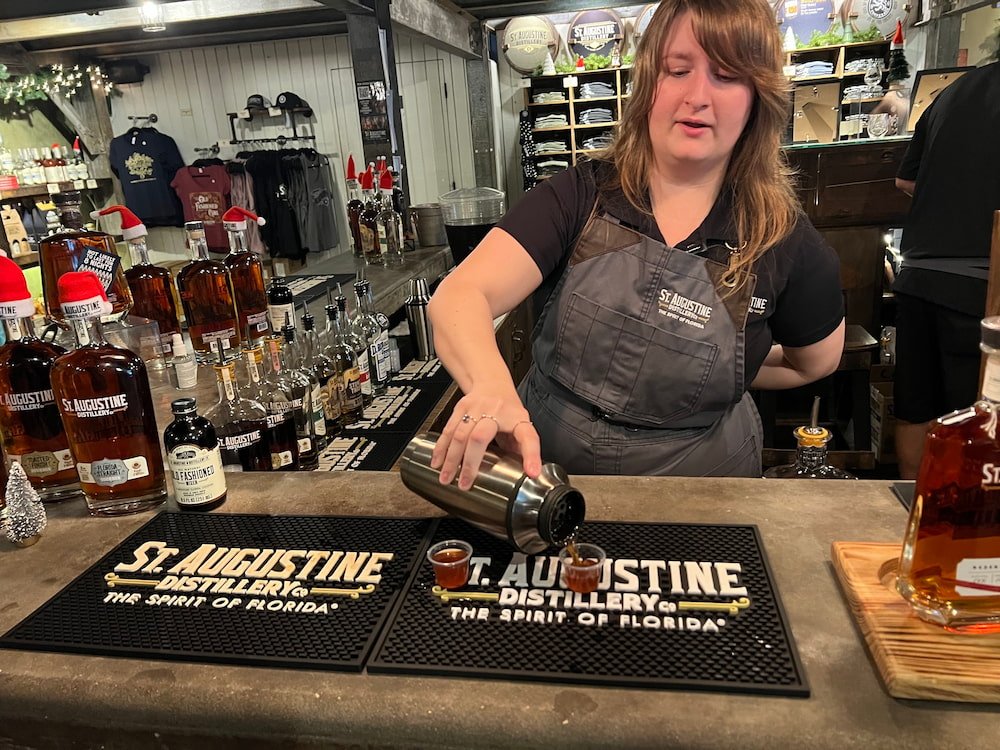
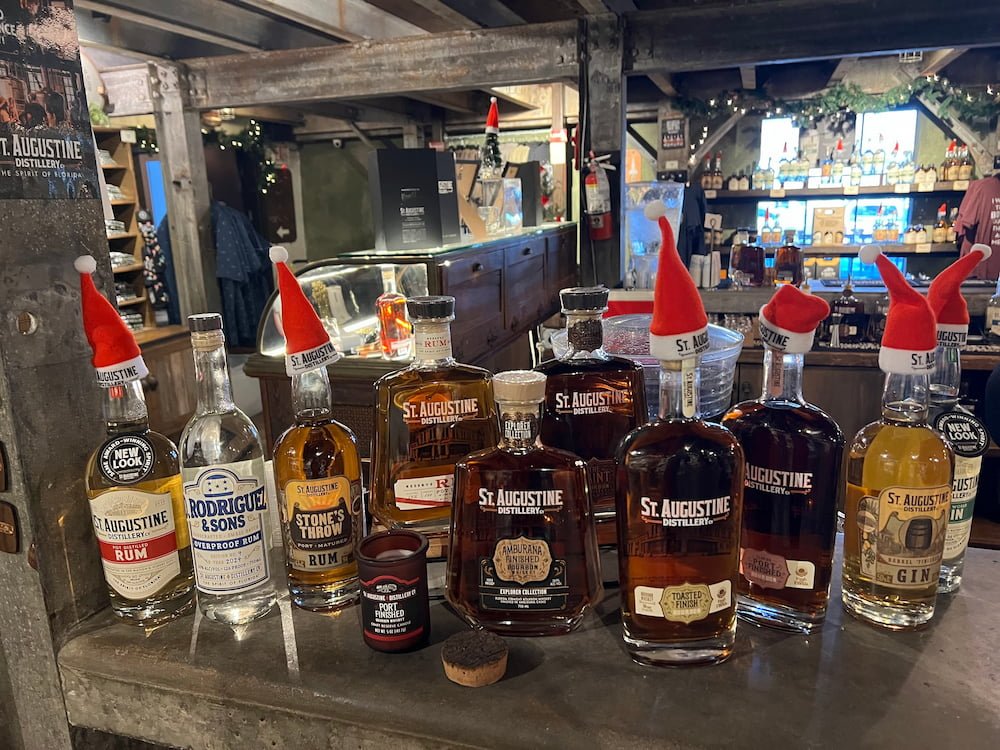
We were getting a bit hungry, but before we could decide where to eat ended up at the St. Augustine Distillery, set in a restored ice plant from last century. At the ice plant there is a restaurant (and the food looked really nice and well-presented), but we accidentally found out that the distillery offers free self-guided tours, where we could learn more about how they produce their liquors--and it included free samples along the way of their bourbon, whiskey, rum and vodka drinks and mixers! What!
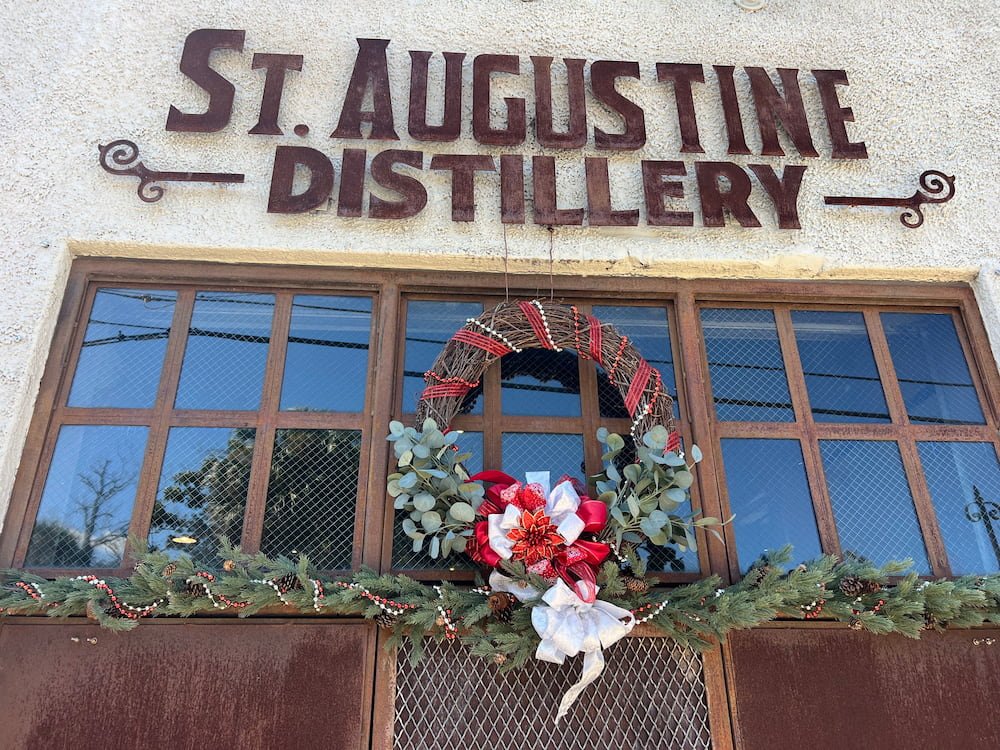
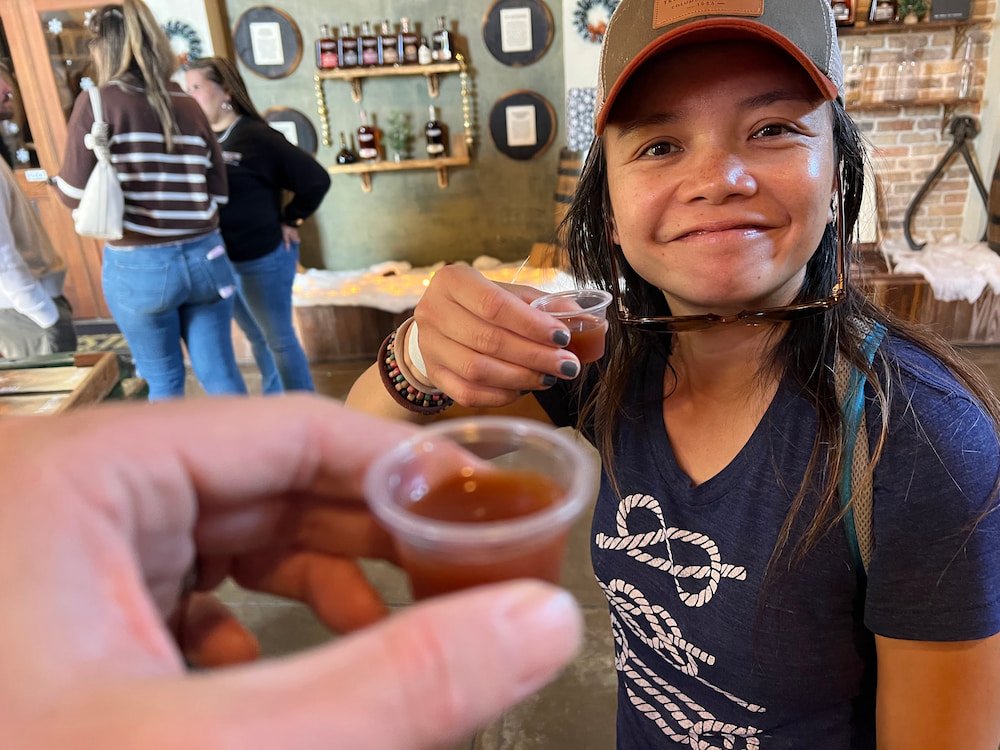
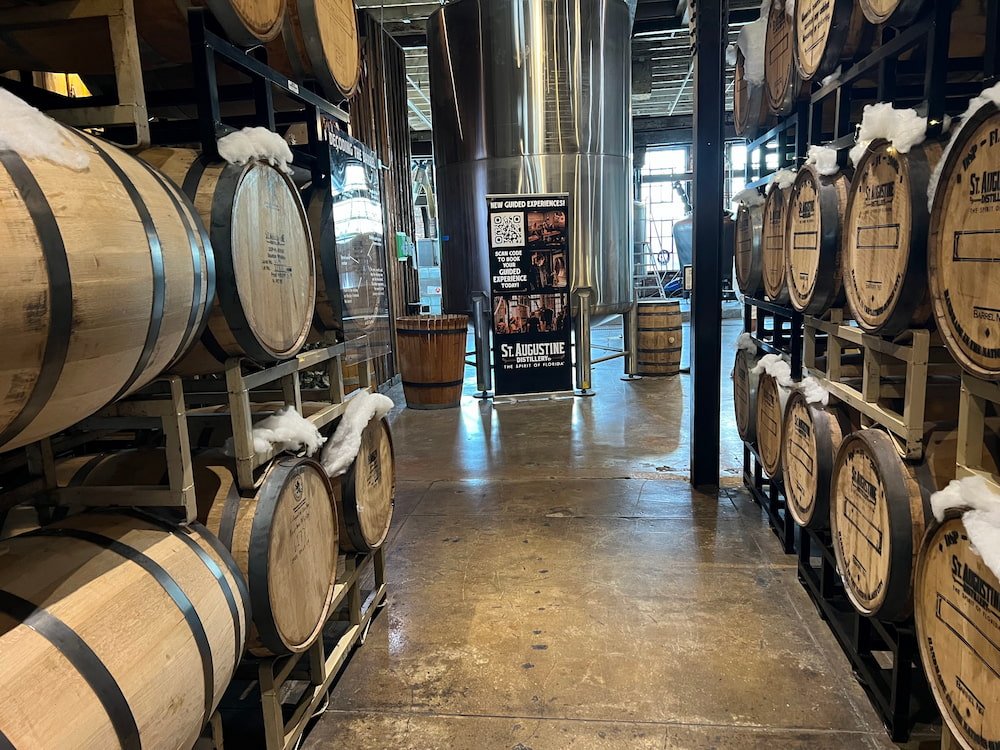
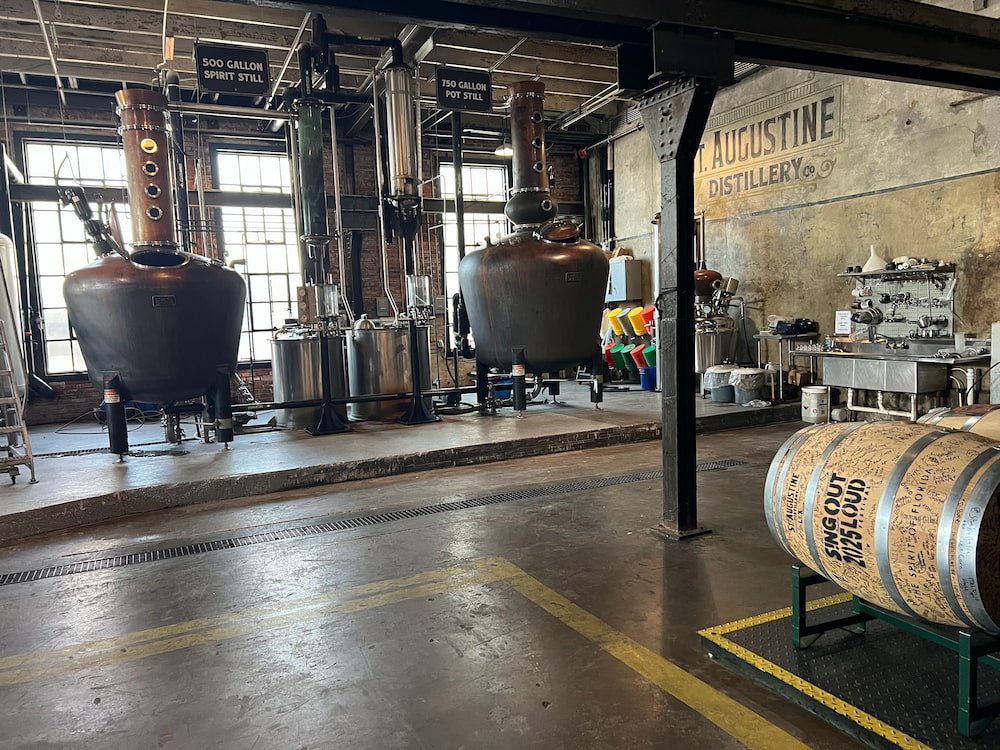
Naturally, we went on the tour, and we loved all of the spirits, from their first concoction (Florida cane vodka), through to the Tropical Tiki Mixer with rum. We ended up buying the latter to share with our friends Chris and Chip (we'll be visiting them in Tampa soon), and admittedly, we were feeling a bit tipsy getting back on the e-bikes afterwards!
Love on the Trails
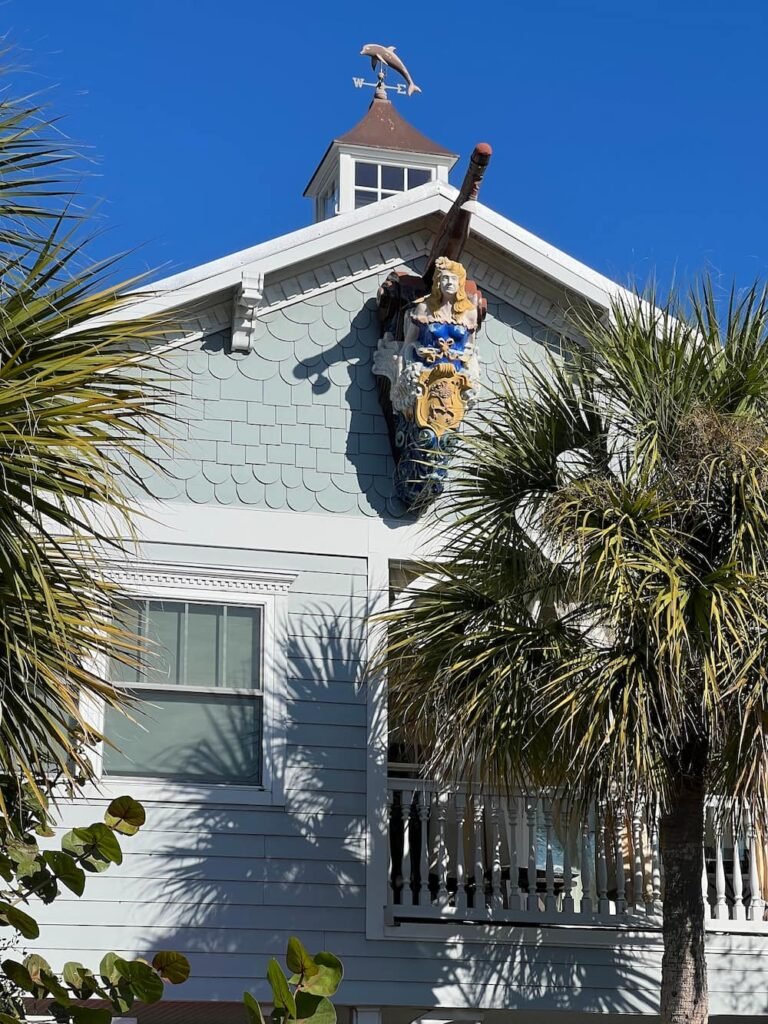
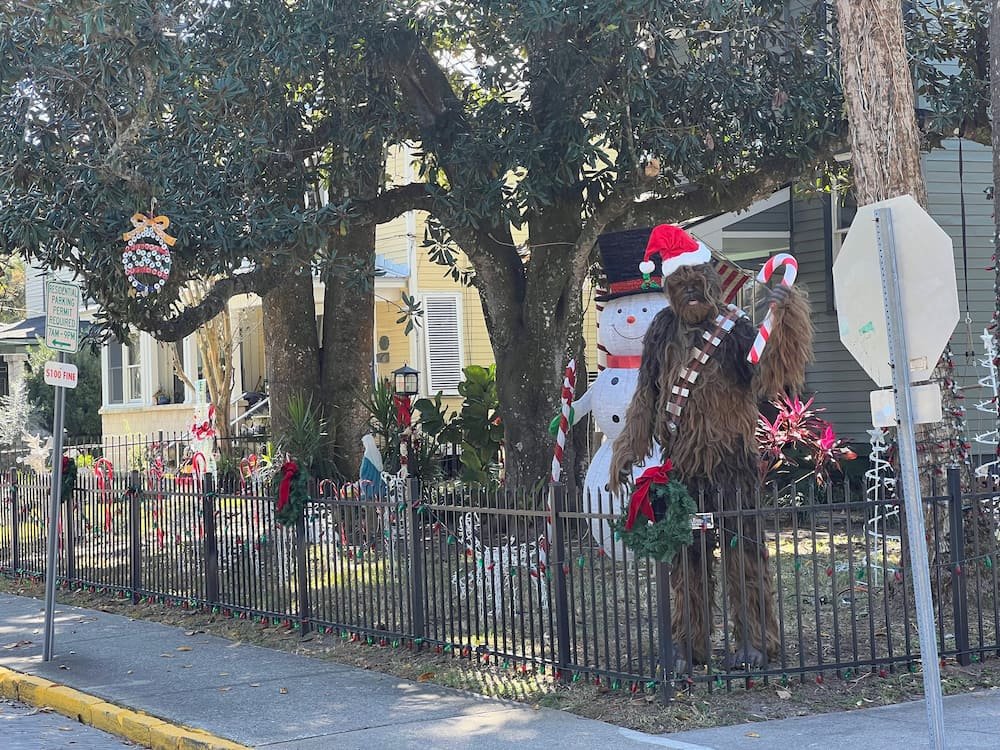
It turns out that St. Augustine has a number of Love Trees where two separate species of tree grow in, on, and through one another. According to local tradition, if two lovers kiss beneath one of the rare, yet unmistakable arbors they will share an everlasting romance. There are about 7 of these in the city, and we found one of them. There was also a house that had hung several chandeliers in front of their house, but there were quite a few grown trees and plants in their yard that we had to ride up and down the street a couple of times to spot them!
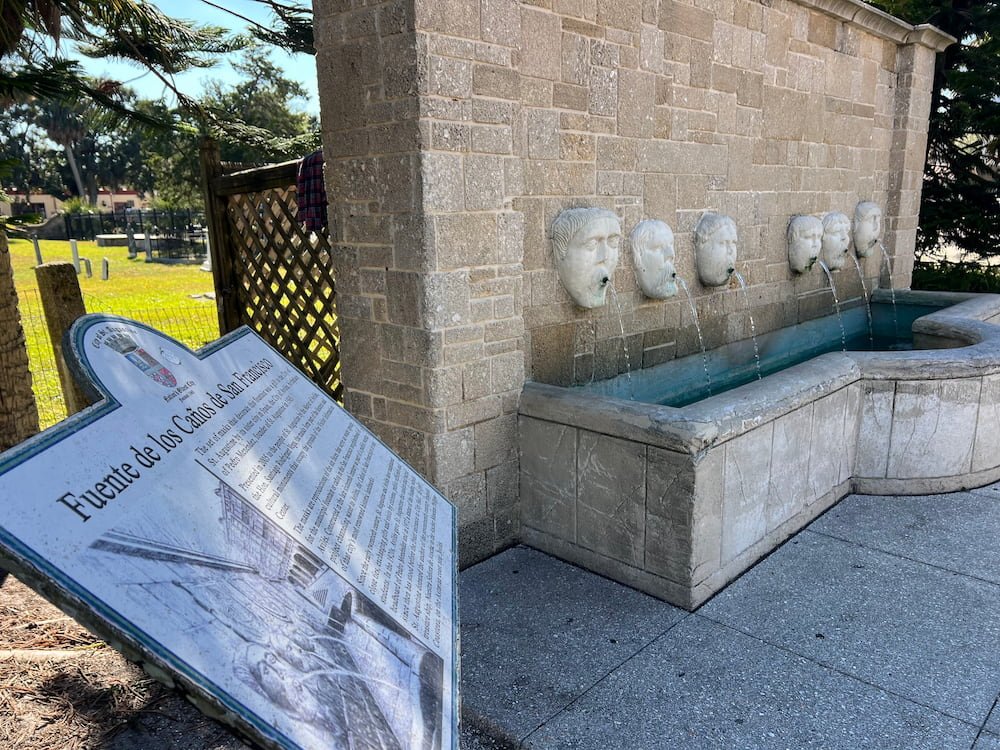
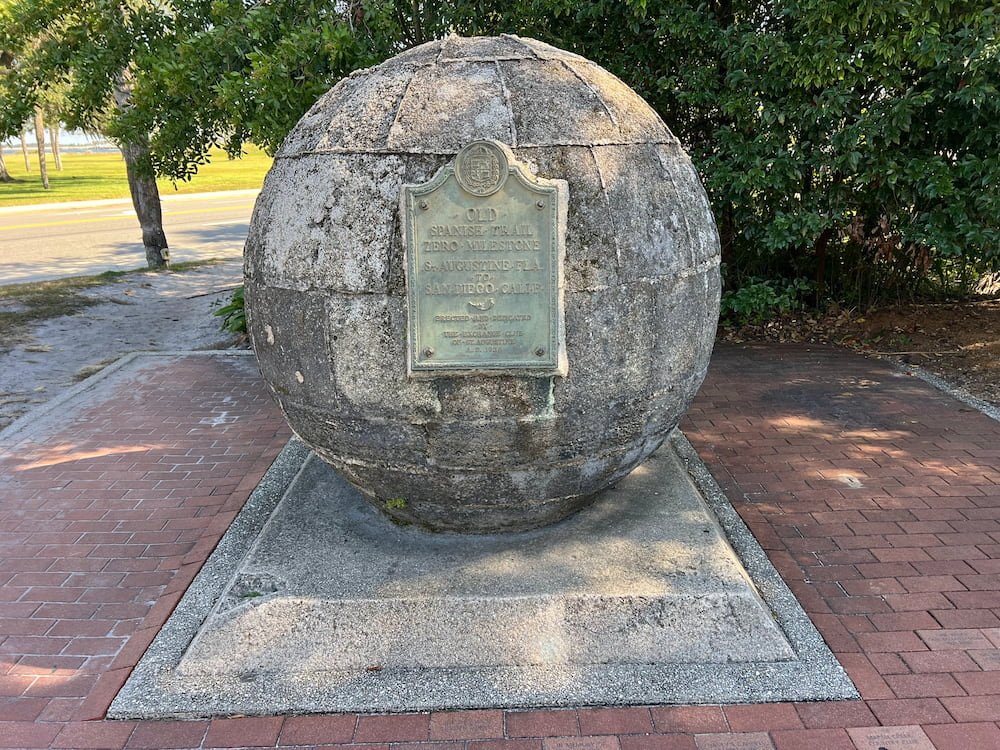
From here, we rode up to the Old Spanish Trail Zero Milestone, marked by a spherical monument made of coquina shells that signifies the end of the Old Spanish Trail auto highway that once linked San Diego, California and St. Augustine. There's also a rather bemusing fountain with 6 faces all spitting water out of their mouths below them, which was a gift from St. Augustine's sister city, Aviles in Spain.
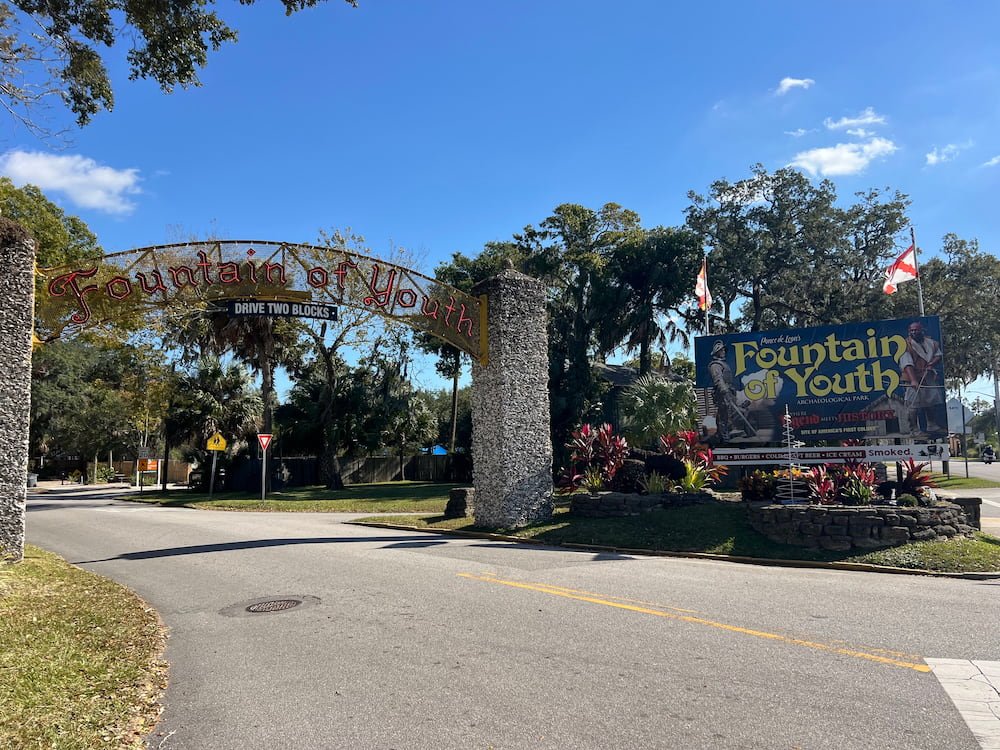
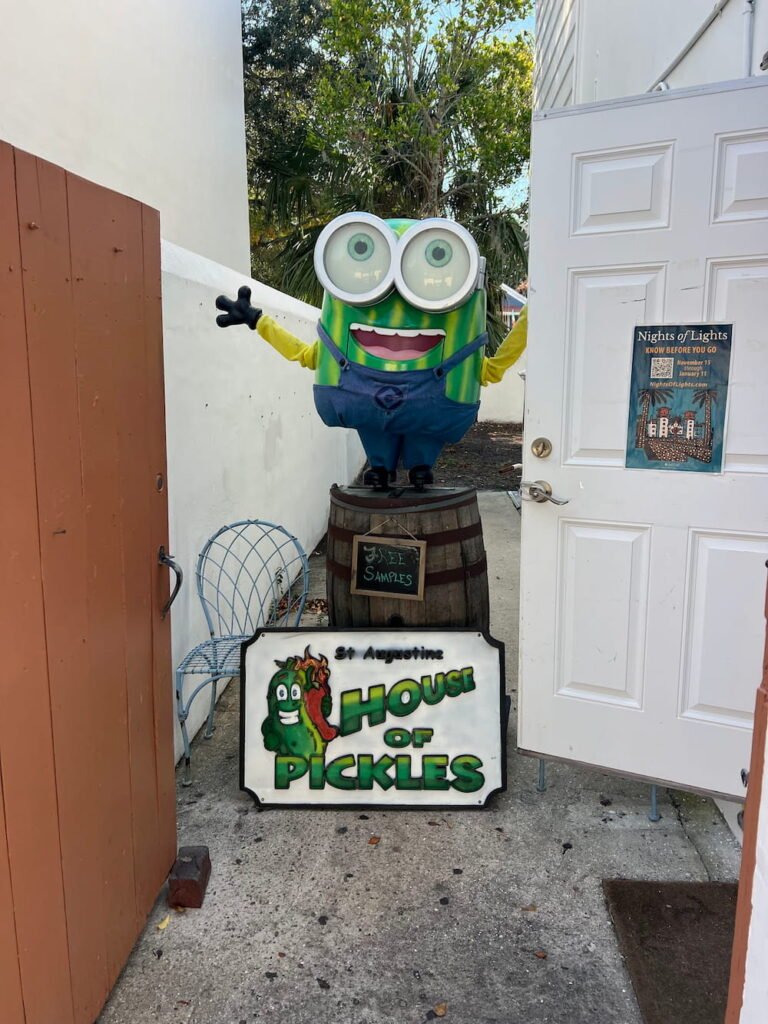
Speaking of fountains, we headed further north where we saw a sign for the "Fountain of Youth" (didn't go in further, but seemed to be a bit kitschy), and then to an area that had the Oldest Store Museum, and Old Jail Museum. This part of St. Augustine was uber touristy, so we didn't stay here for long. We were hungry (we hadn't eaten lunch and it was well after lunchtime), and found a nearby Thai restaurant, but our hunger admittedly abated once we saw the prices (massive sticker shock--our standard orders were at least an extra $7-10 more than what we'd usually pay) and decided that we'd hang on for longer!
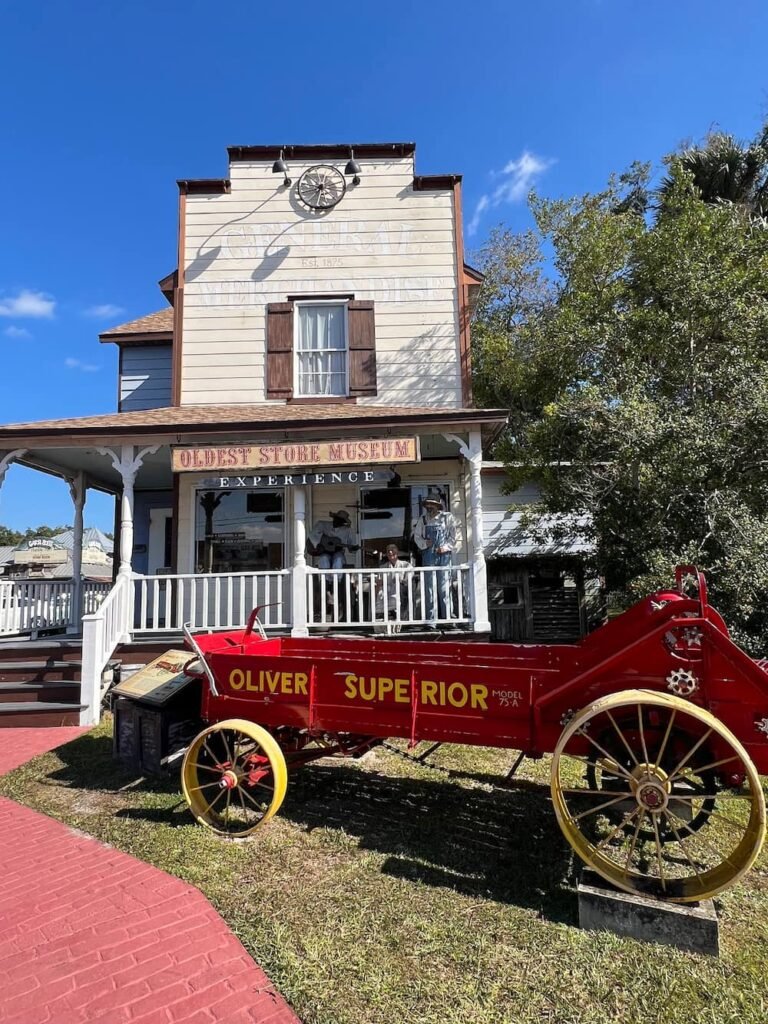
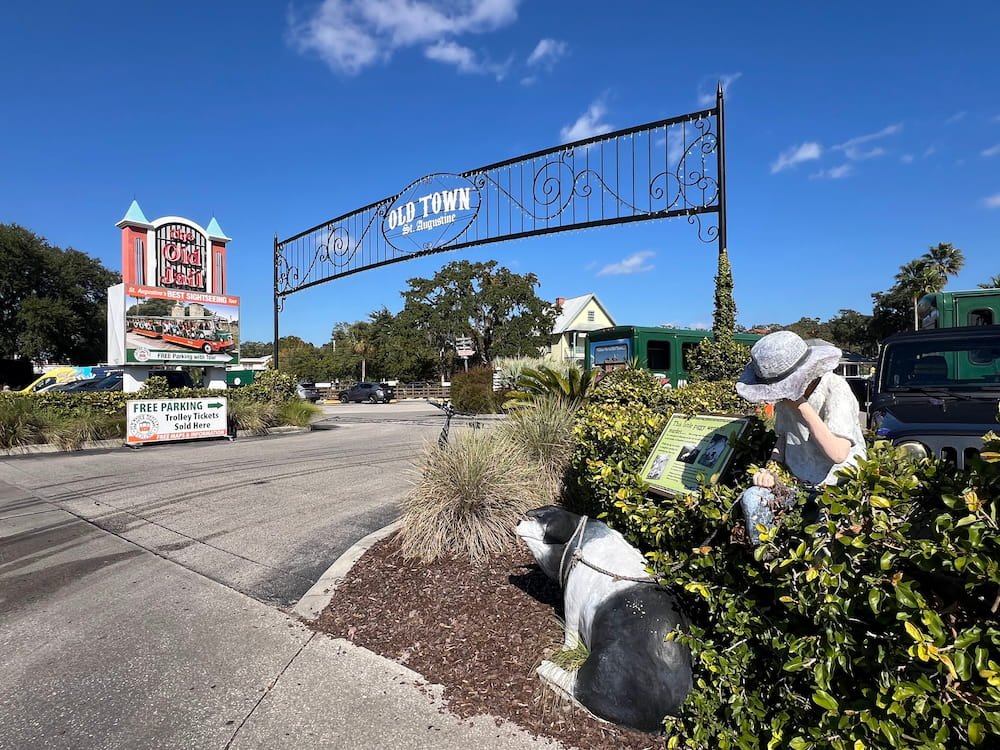
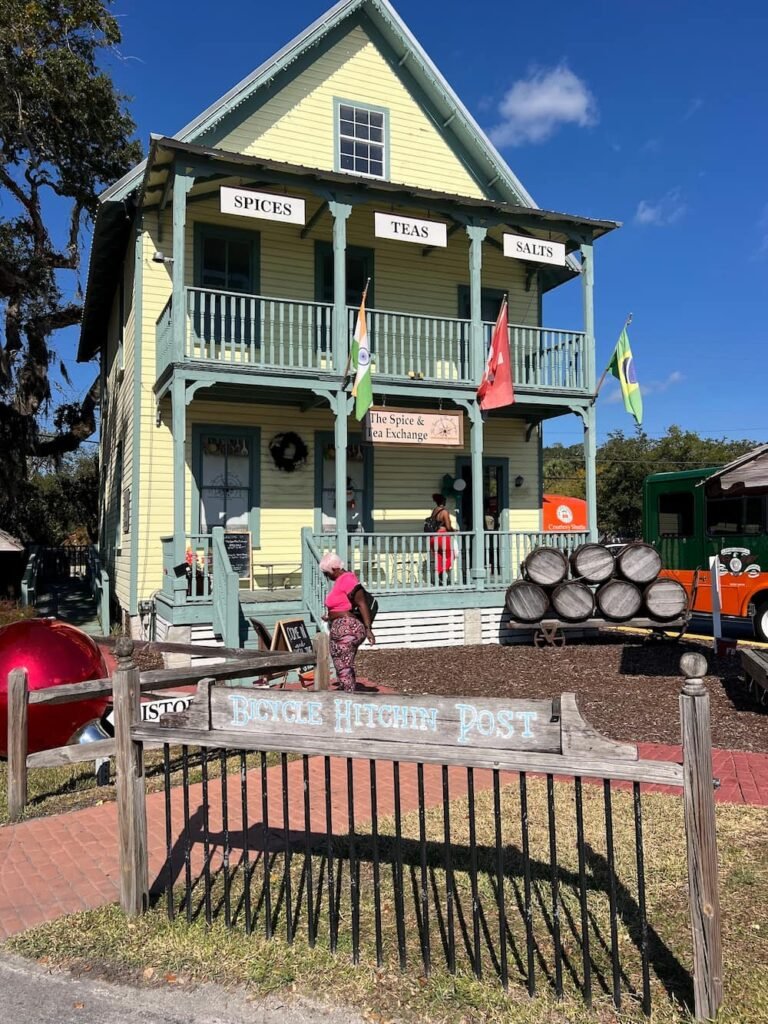
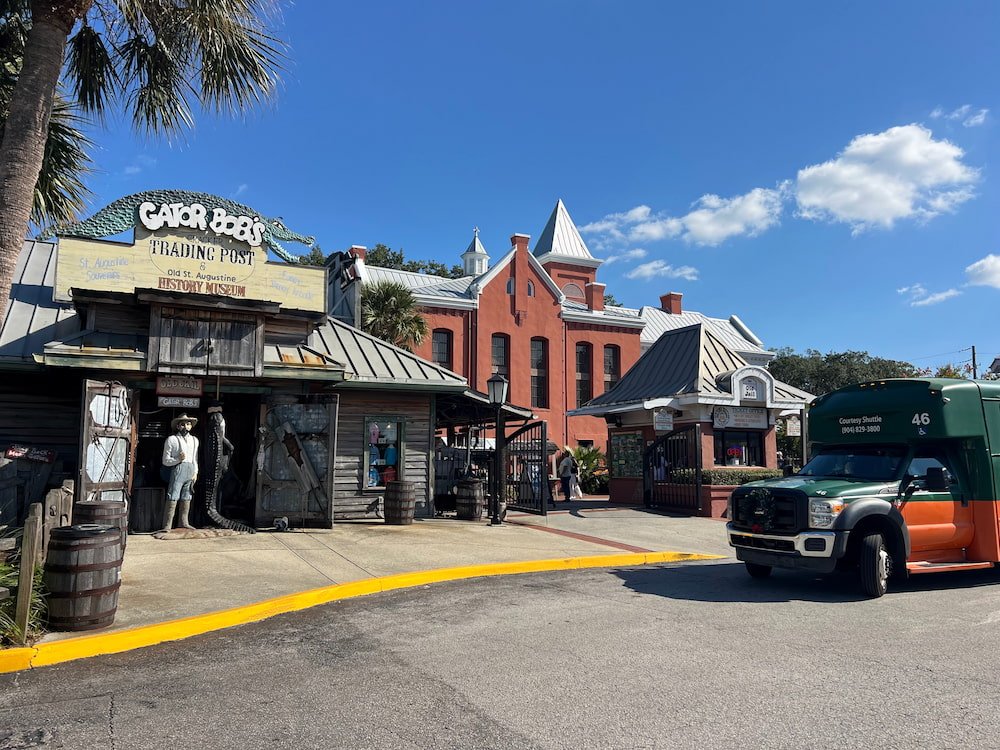
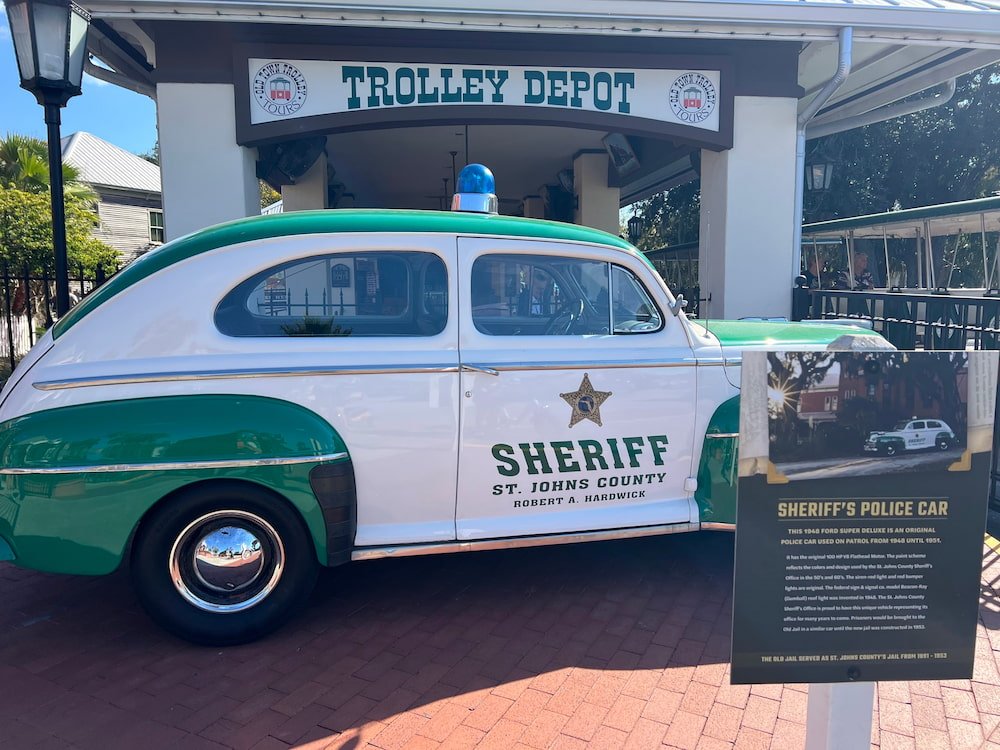
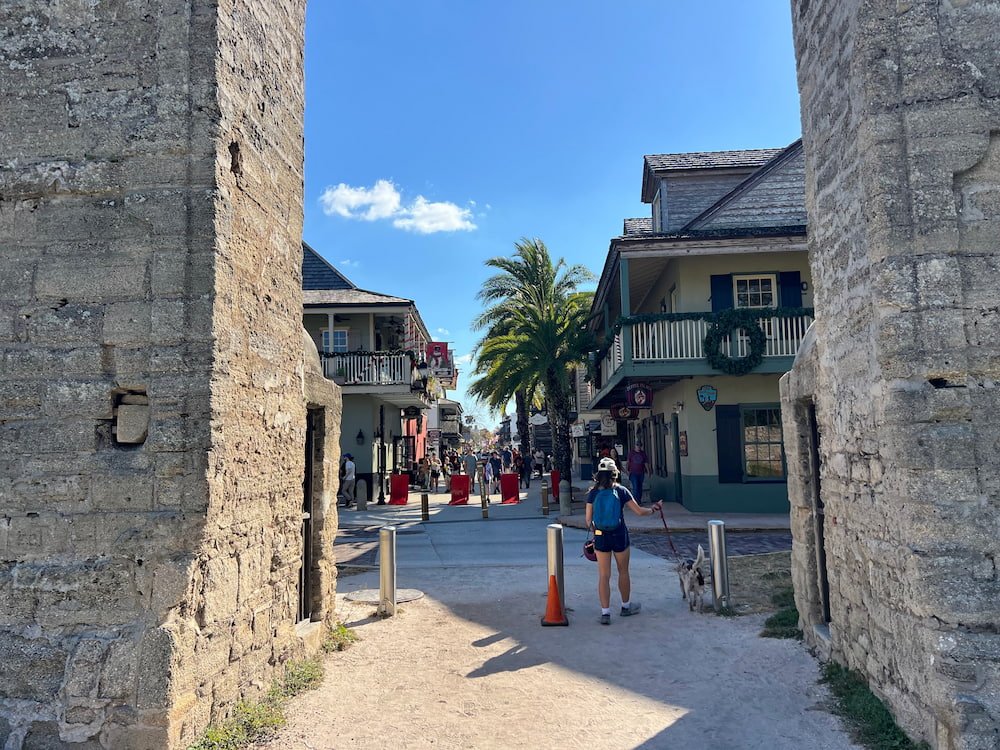
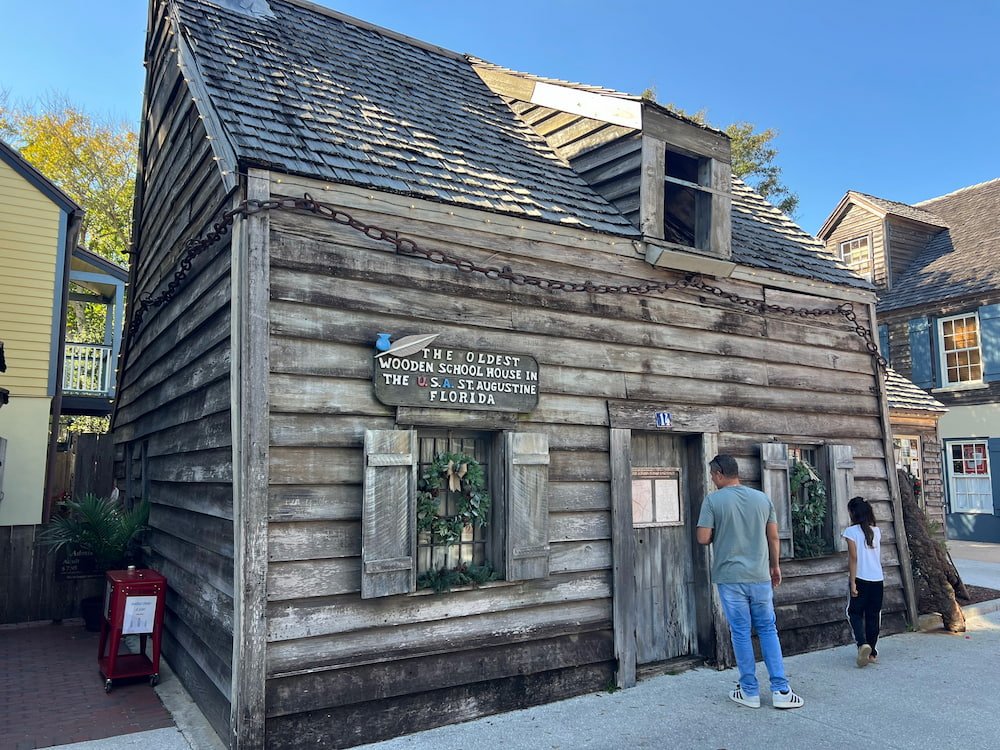
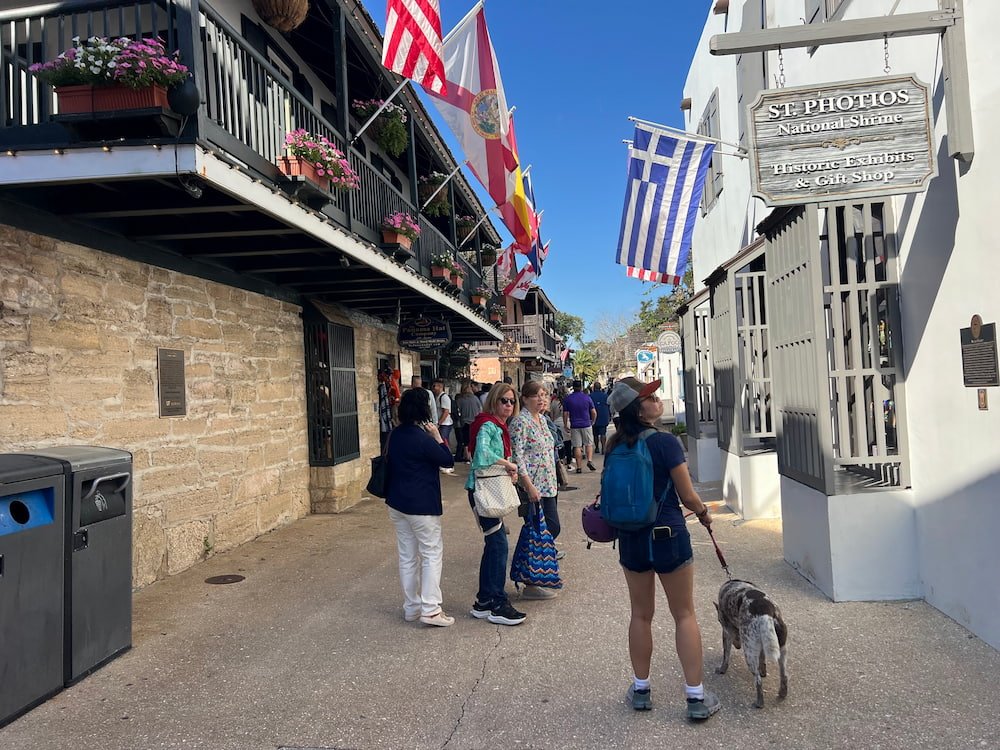
We rode past the Mission of Nombre de Dios, a Catholic mission founded in 1587 that's the oldest continuous mission in the continental United States, and ended up in yet another super touristy area, walking down the Colonial Quarter, a street filled with souvenir shops, (likely overpriced) restaurants, and historical sights like the Oldest Wooden School House, which has been around since the early 18th century.
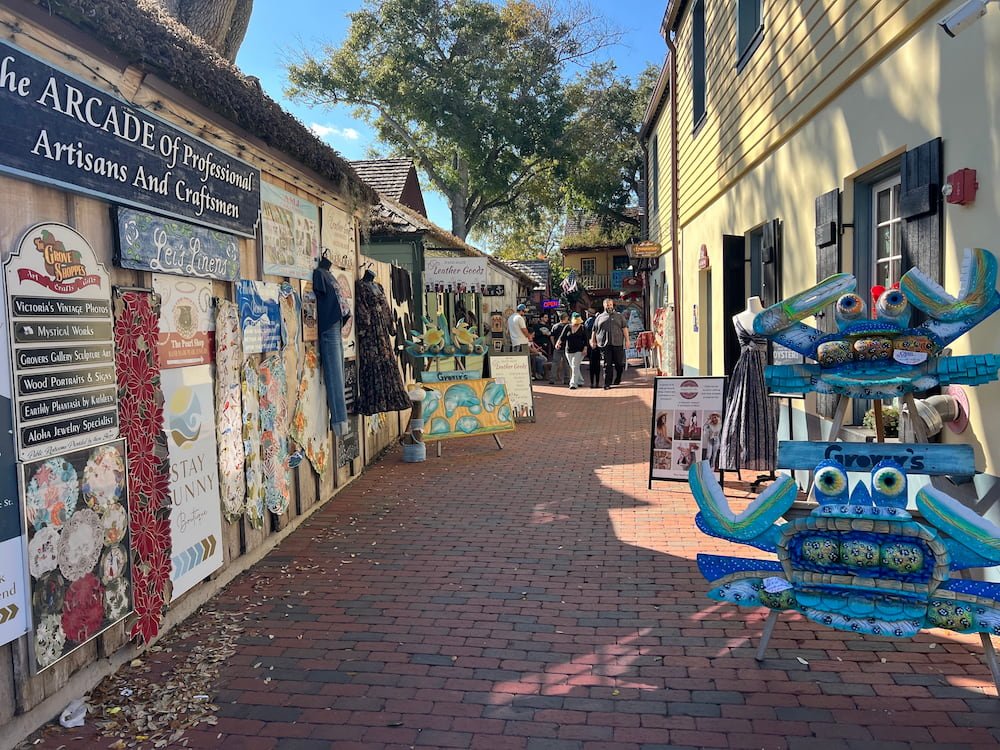
The Castillo and Firing a Cannon
Leaving the Colonial Quarter, we headed to Castillo de San Marcos National Monument, the oldest masonry fort in the continental US (so many things are the "oldest" around here!), which was built by the Spanish to defend against the French, over 450 years ago. It's been a long time since we've last used it (perhaps in Maine when we went to Acadia National Park?), but we got to show our National Parks Pass again! The fort is all outdoors, and what was cool was that each section was rated against a sensory guide from 1-10 (1 = low sensory simulation). So, for example, one area was rated "7" for sound, because it is an open area, can have close proximity to other visitors, and the sound of cannons can be heard and intensified in this area. Even if you're not a highly sensitive person, it's a really great guide for everyone, and would be awesome if it was more readily available at different places of interest!
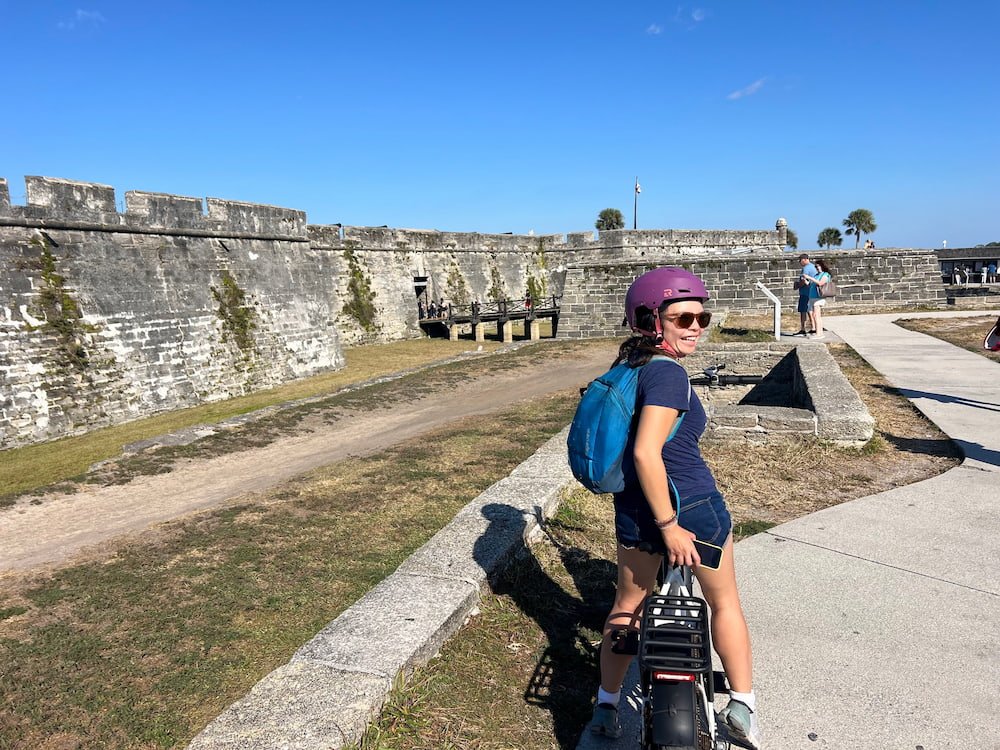
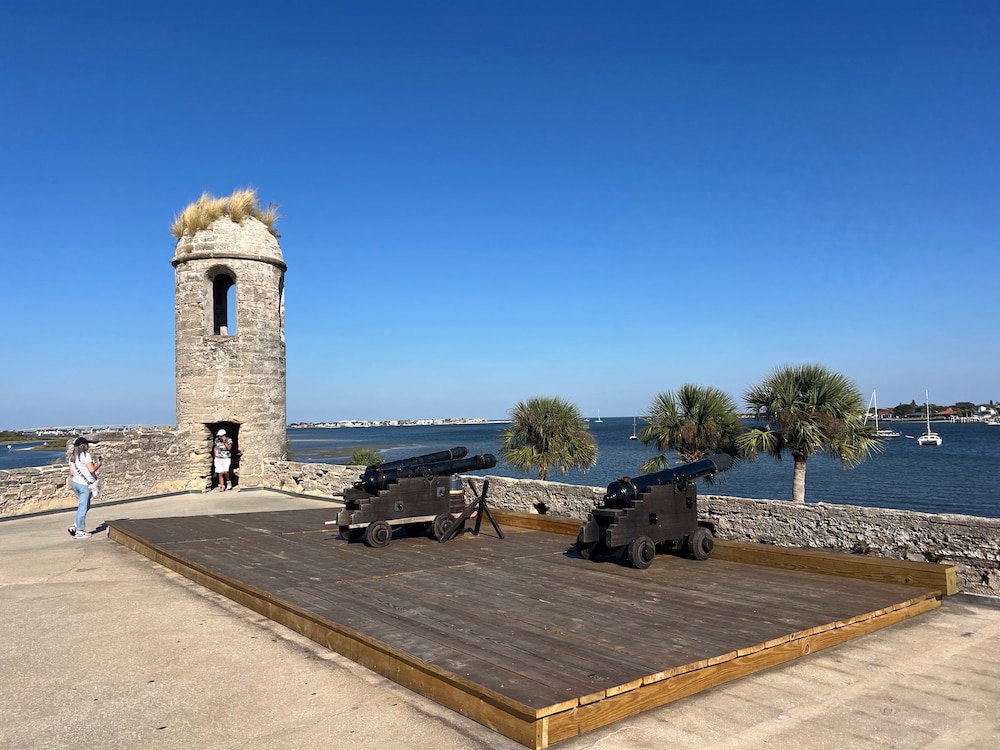
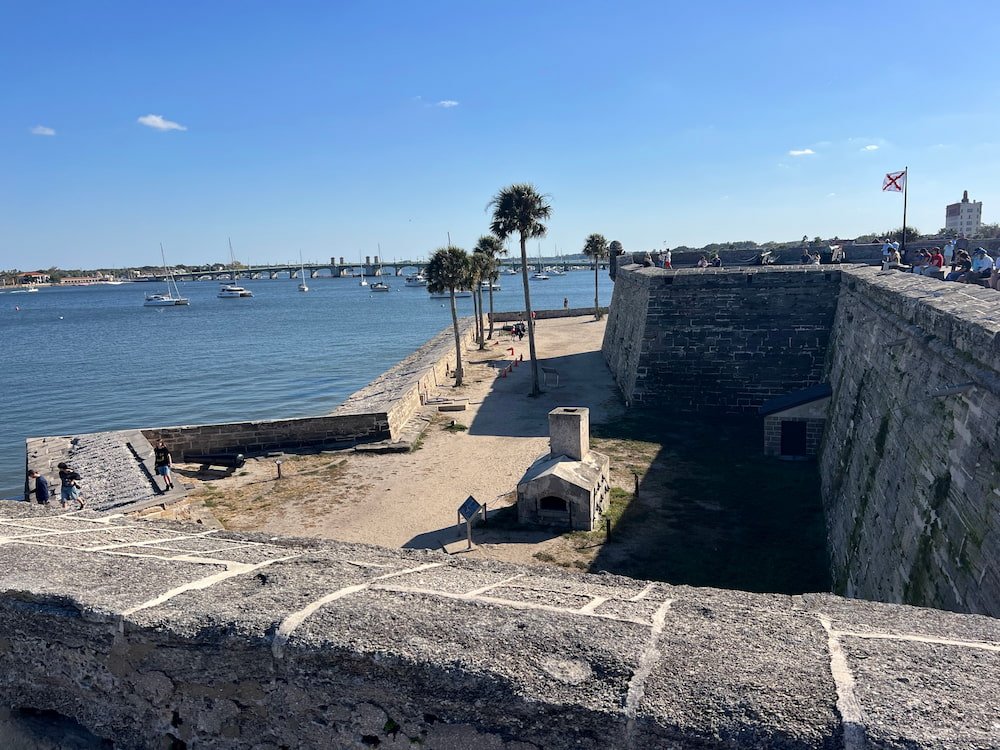
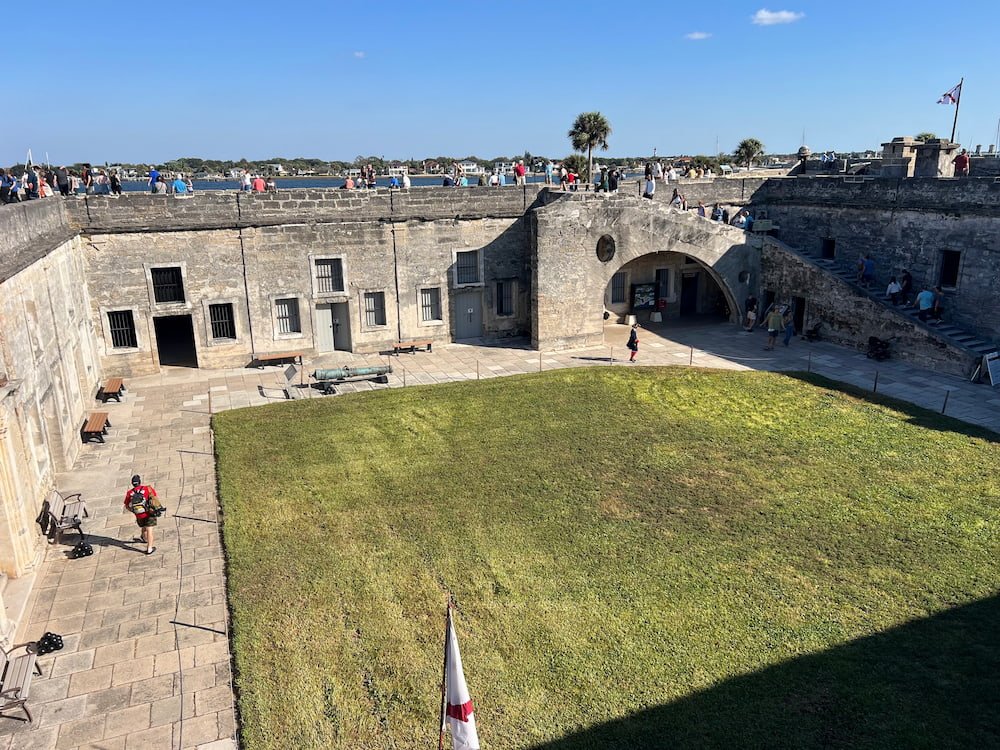
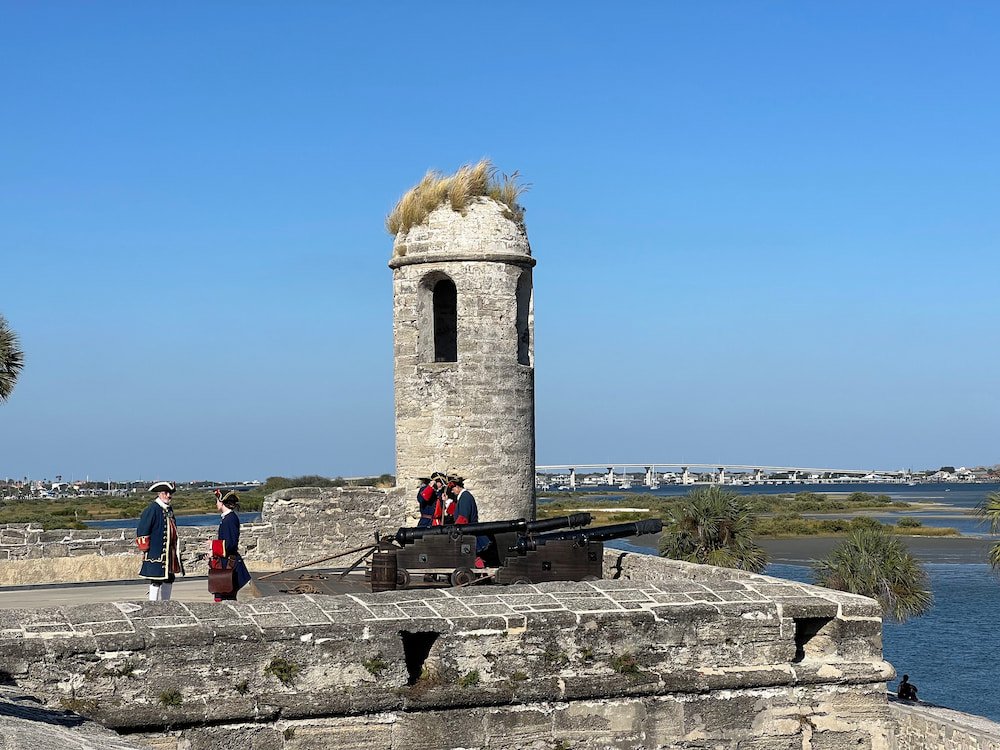
We walked around both levels of the fort with Sheila, and soon were told that there would be a demonstration of the cannons being fired. Sheila doesn't like loud bang sounds like fireworks and thunder (like many dogs), so Lisette and Sheila left the fort while Michael stuck around to observe it more closely. Lisette and Sheila still heard the bang (eventually, it seemed there was a lot of procession leading up to the firing of the cannon), but it was good that we were further away, and met Michael by where we'd parked our e-bikes outside the fort immediately afterwards.
Learning About Mosquitos and Other Bugs
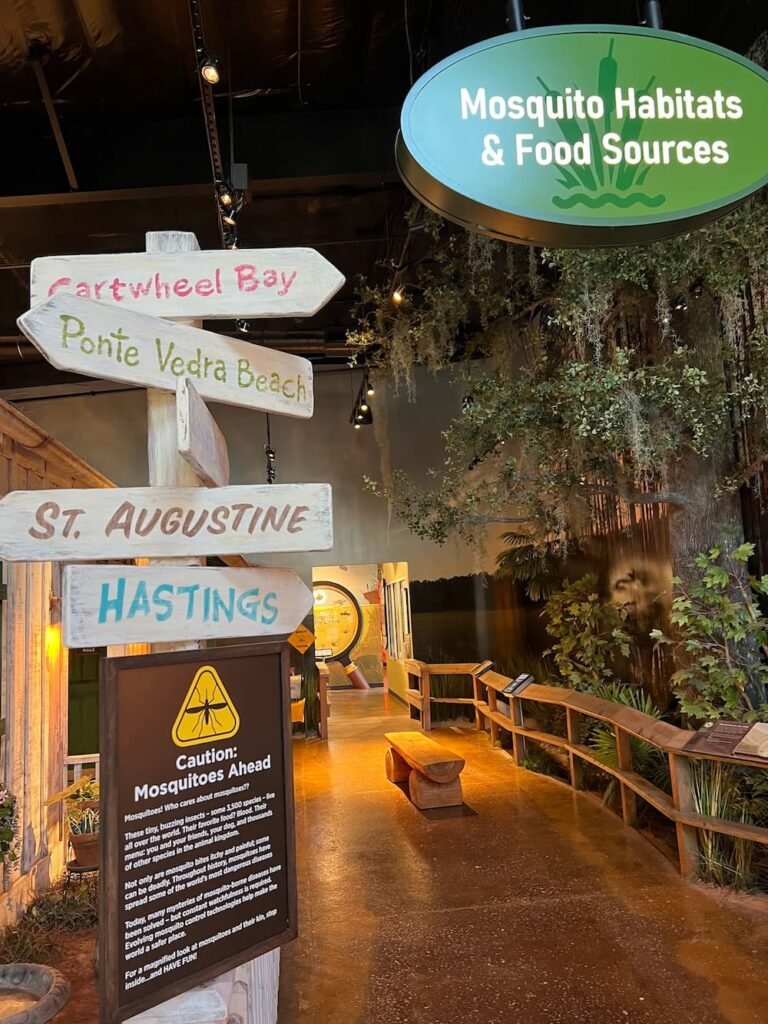
Arriving back at our RV, it was time for a long-anticipated lunch, before we drove out of St. Augustine, arriving at the Disease Vector Education Center about 30 minutes before it closed for the day. The Center teaches people about diseases that mosquitos transmit, and how the Anastasia Mosquito Control District controls the mosquito population in the county. It's awesome for a school excursion, and once we were in there, we realized that we could absolutely have spent much longer than the time remaining to read through everything--we ended up being fascinated!
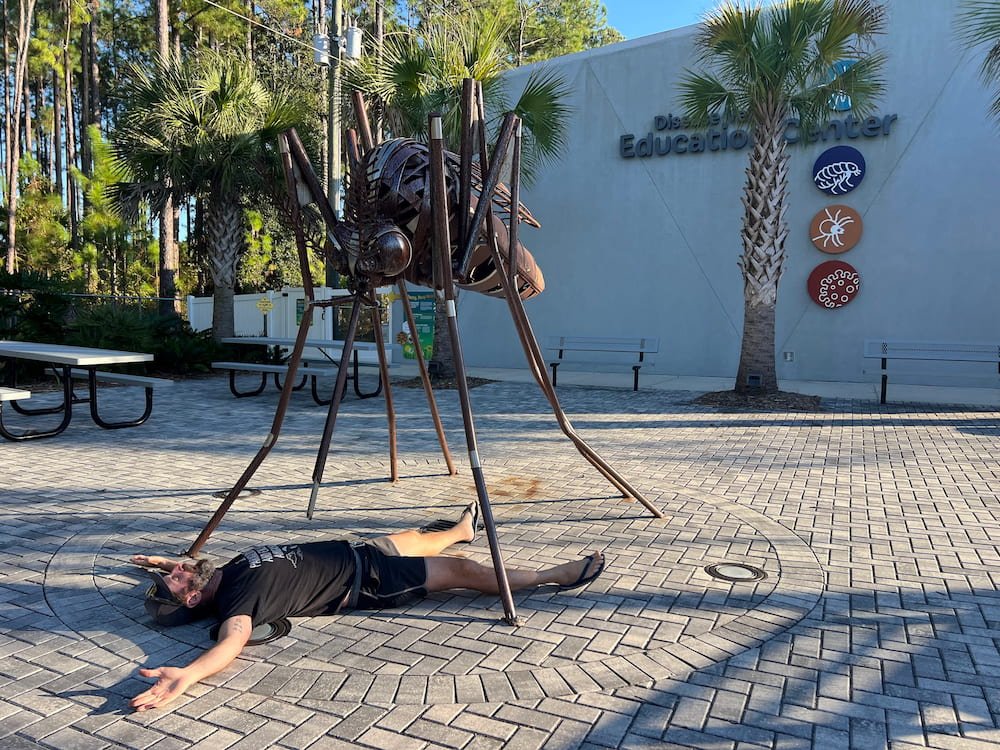

There was a panel that was full of elephant mosquitos (huge, scary looking creatures, that actually don't bite), and learned that female mosquitos are the ones that bite people. The Center details the various methods that have been used to control the mosquito population over the years, such as sterilization, and there's lots of exhibits showing the various equipment used over the decades, and interactive exhibits perfect for kids to test their knowledge (who am I kidding, we also loved this). Plus we learned about other bugs as well--did you know, for example, that the "kissing bugs" that spread Chagas disease to people through their poop and not their bite, which is why it's important NOT to squish them to kill them? Put them in a plastic bag first.
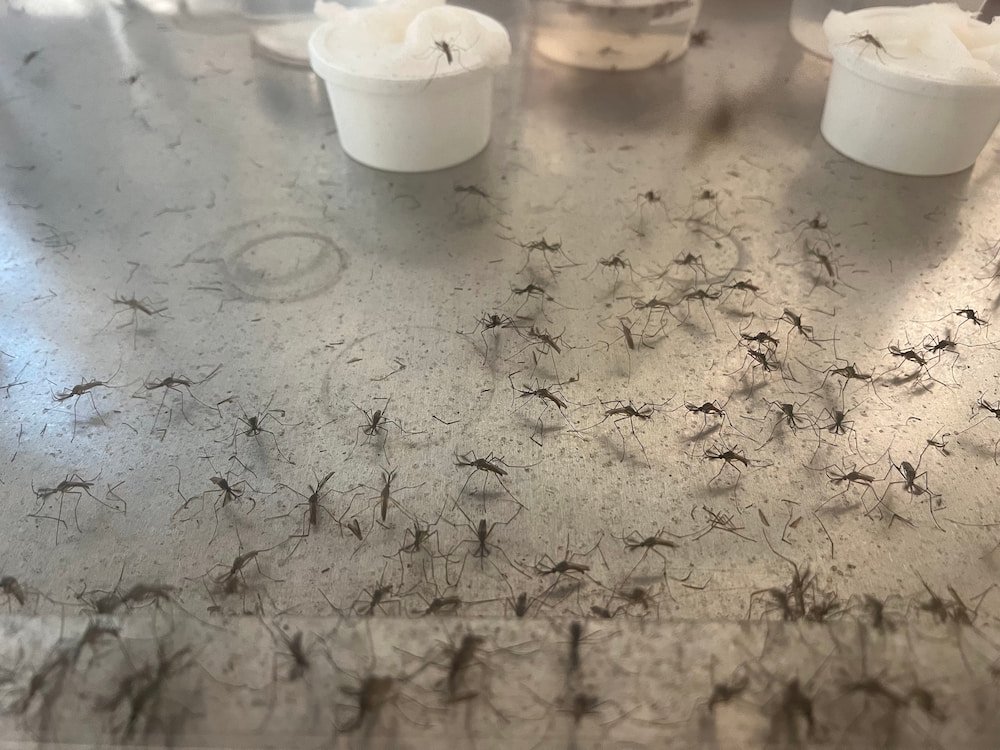
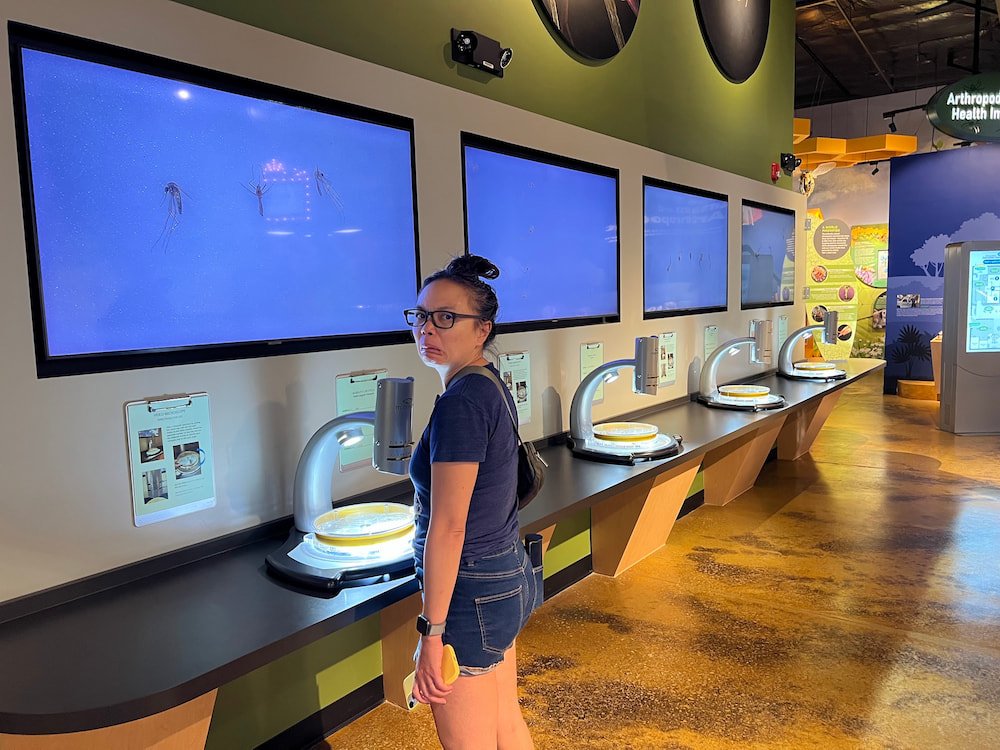
There was an entomologist onsite, and we ended up chatting to her for a while and peppering her with questions. Lisette gets really big welt-looking bites from mosquitoes, and the entomologist was able to clarify some myths, including that someone's propensity to getting bitten has to do with genetics (it doesn't matter what you eat, for example). Mosquitoes are less likely to be out in force in the heat of the day, but of course there are lots of things we can do to help minimize them loitering around, like ensuring there aren't any still pools of water. The entomologist had an interesting story as to how she got into this field, as it turns out she gets really bad mosquito bites and even bug spray can be ineffective! She started to study them and became absolutely fascinated with them and other insects.
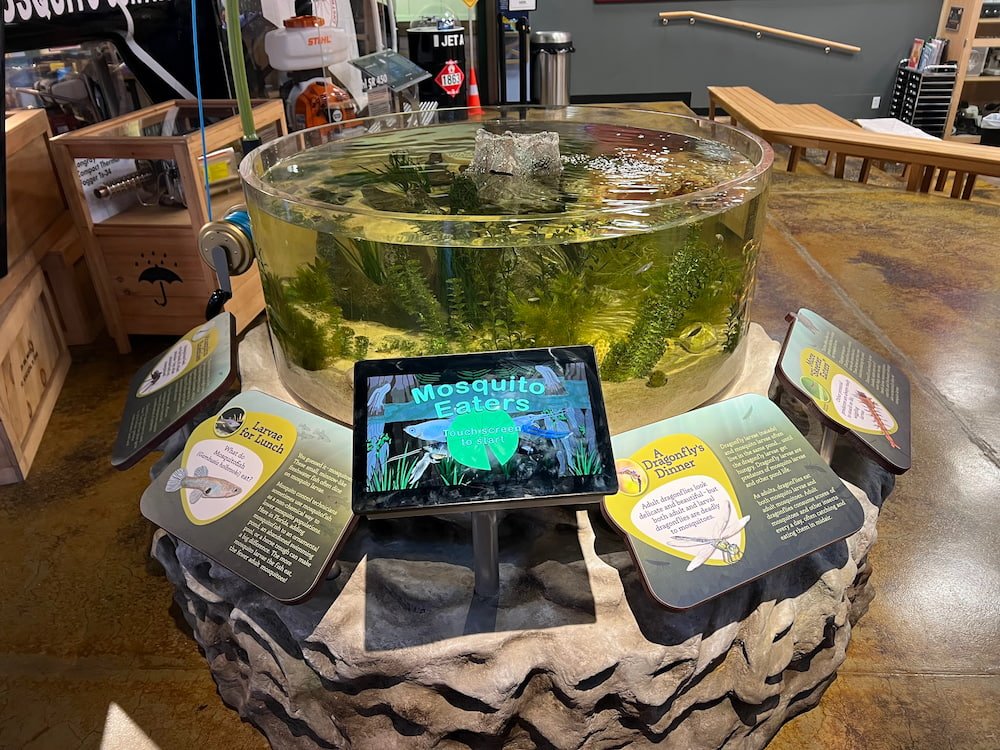
We kept chatting to her until closing time, and made it to our overnight parking spot, next to a Planet Fitness gym, just before sunset. Tomorrow, we'll be continuing south, and seeing more new places in Florida!